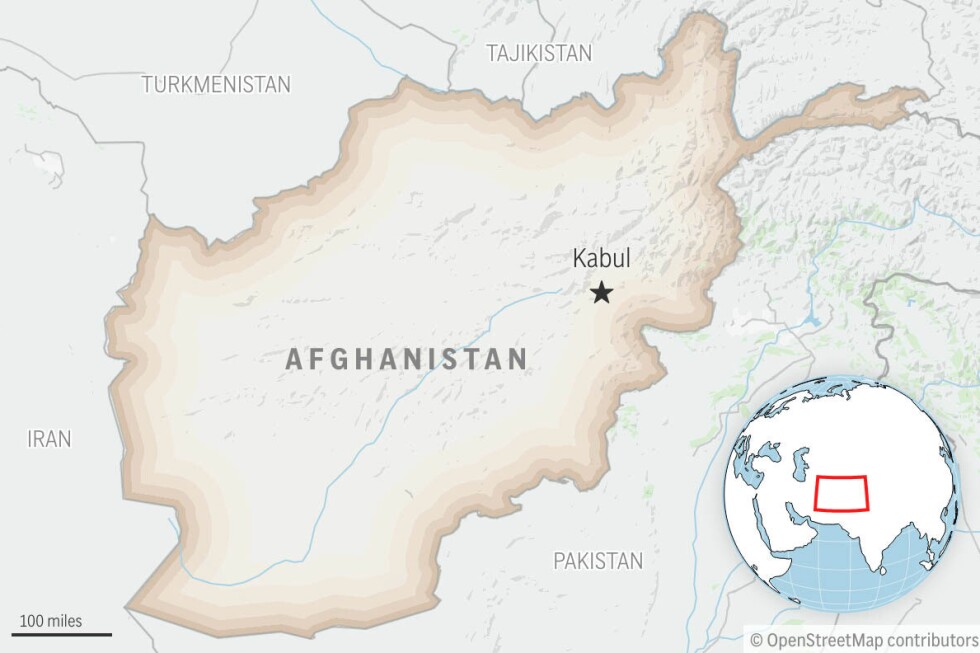
GENEVA (AP) — Afghanistan faces an unprecedented humanitarian crisis as millions of expelled migrants return from neighboring countries, creating what the UN refugee agency describes as a situation pushing the nation to the brink. According to UNHCR’s Afghanistan representative Arafat Jamal, approximately 5.4 million individuals have returned to Afghanistan since October 2023, primarily from Pakistan and Iran.
The massive influx represents approximately 12% of Afghanistan’s total population and has placed severe strain on a country already grappling with economic collapse, drought, earthquakes, and widespread human rights concerns. Jamal characterized the returns as occurring at “an unprecedented scale and speed” during a UN briefing conducted via video link from Kabul.
The crisis emerged following coordinated crackdowns on undocumented migrants by both Pakistan and Iran beginning in October 2023. Pakistan initiated a sweeping deportation campaign that encouraged voluntary departure but included arrests and forced removals. Iran implemented similar measures around the same period.
Among those returning are individuals who had established entire lives in host countries, including some born in Pakistan decades earlier who built businesses and raised families there. Last year alone witnessed 2.9 million returns—the largest number ever documented to any single country according to UNHCR records.
Afghanistan’s Taliban leadership has condemned the mass expulsions while attempting to provide minimal support through care packages containing food aid, cash assistance, SIM cards, and transportation to potential family locations. However, these measures prove insufficient given the nation’s preexisting vulnerabilities.
A November assessment by the UN Development Program revealed alarming coping strategies among families in high-return areas, with nine out of ten households resorting to skipping meals, accumulating debt, or selling possessions to survive. Jamal expressed deep concern about the sustainability of these returns, noting that while only 5% of returnees plan to leave Afghanistan again, over 10% know someone who has already departed—a trend driven not by lack of desire to remain but by inability to rebuild viable lives.