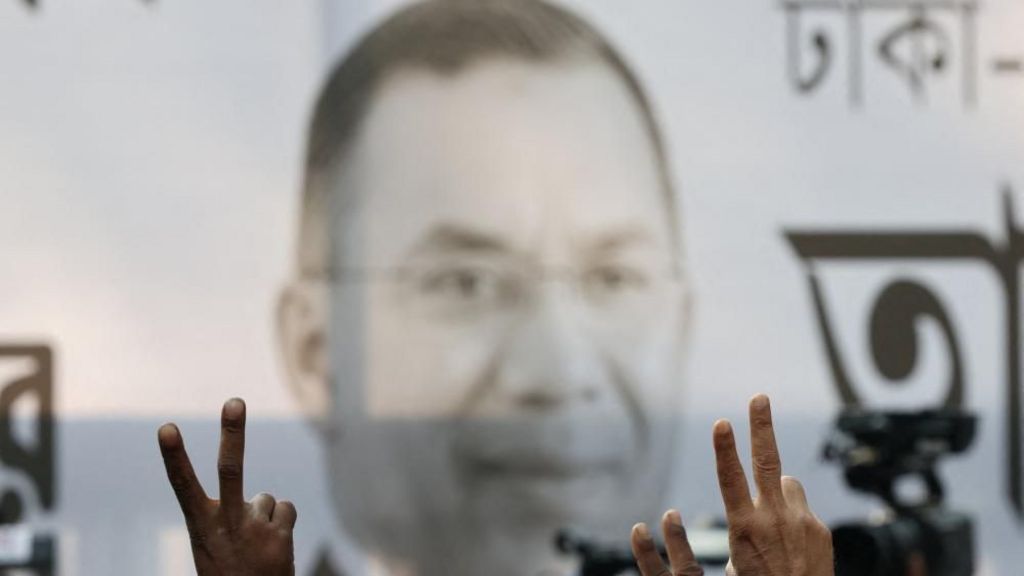
In a historic political transformation, the Bangladesh Nationalist Party (BNP) has achieved a decisive parliamentary majority, fundamentally altering the nation’s political landscape 18 months after mass protests toppled Prime Minister Sheikh Hasina’s lengthy administration. The center-right party captured over two-thirds of legislative seats in the landmark general election, while the main Islamist party Jamaat emerged as the secondary political force. Hasina’s Awami League was constitutionally barred from participation.
Tarique Rahman, the BNP leader who spent 17 years in self-imposed exile in London, is poised to assume the premiership facing monumental challenges including economic revitalization, democratic restoration, and addressing the aspirations of Bangladesh’s substantial youth population. Rahman, who took party leadership following his mother Khaleda Zia’s December passing, secured his inaugural parliamentary seat among 212 successful BNP candidates with voter participation recorded at 59.44%.
The electoral process incorporated a consequential referendum endorsing comprehensive democratic reforms, including prime ministerial term limitations, establishment of a directly elected upper parliamentary chamber, enhanced presidential authority, and strengthened judicial independence. The charter additionally advocates for improved female representation in governance—a pressing concern given the minimal number of elected women candidates.
International dimensions immediately surfaced as Indian Prime Minister Narendra Modi extended congratulations to Rahman within hours of the victory, reaffirming bilateral commitments to mutual prosperity and regional stability through a social media statement.
Despite its reform agenda, the BNP confronts historical baggage from its previous governance period in the early 2000s, having faced allegations of corruption and human rights violations. The party’s restraint in victory celebrations reflects recognition of the formidable tasks ahead and the heightened expectations from a youthful electorate instrumental in Hasina’s ouster through student-led demonstrations that precipitated the February 12 electoral event.