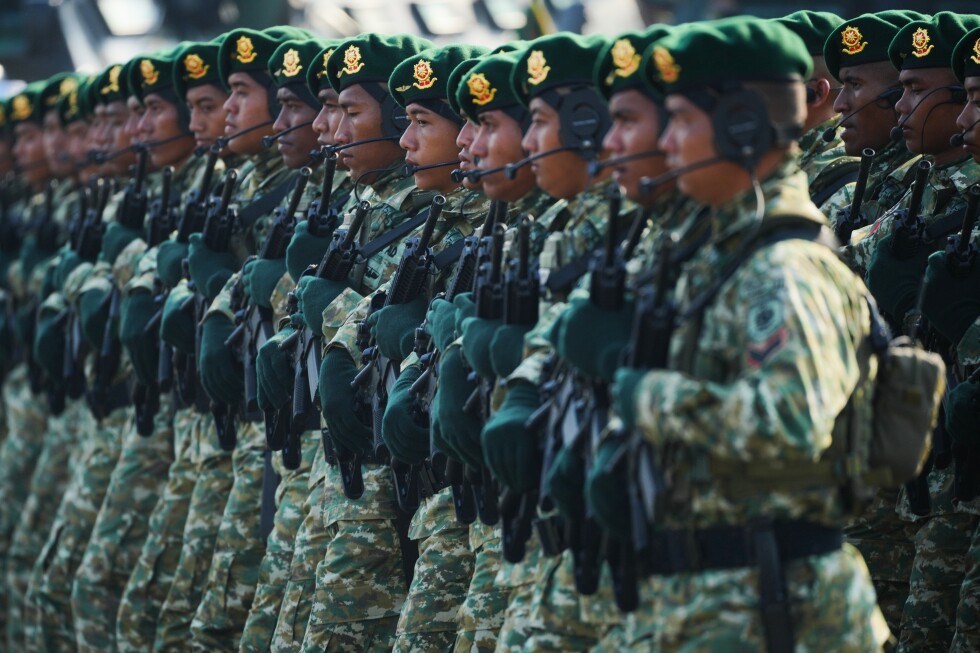
JAKARTA, Indonesia — The Indonesian military has initiated specialized training for a contingent of 5,000-8,000 troops designated for deployment to Gaza as part of an international security force, marking the first tangible commitment to President Donald Trump’s controversial postwar reconstruction framework. This Muslim-majority nation, ranking among the UN’s top ten peacekeeping contributors with extensive experience in Lebanon, now faces domestic criticism over its alignment with Washington’s newly proposed Board of Peace (BoP).
Despite Indonesia’s historical support for Palestinian statehood and substantial humanitarian investments in Gaza—including hospital funding—President Prabowo Subianto’s rapid embrace of the U.S.-led initiative has sparked concerns about national sovereignty and financial burden. Critics highlight the absence of Palestinian representation on the BoP while Israel maintains membership, questioning whether Indonesia’s participation genuinely advances Palestinian interests.
The operational ambiguity surrounding the International Security Force (ISF) remains a central controversy. Unlike UN-mandated missions with clearly defined rules of engagement, the BoP-operated force lacks transparent guidelines regarding troop utilization, funding mechanisms, and chain of command. Draft charters suggest Indonesia might bear its own deployment costs plus a potential $1 billion fee for permanent BoP membership.
Middle East analyst Muhammad Zulfikar Rakhmat of Jakarta’s Center of Economic and Law Studies warned: “We must ensure our military personnel aren’t indirectly supporting Israeli forces or confronting misguided actors.” This sentiment resonates with an online petition signed by over 9,000 scholars and activists criticizing Trump’s lifetime chairmanship of a body they deem “normatively, structurally and morally illegitimate.”
Army Chief of Staff Gen. Maruli Simanjuntak confirmed training has commenced for engineering and medical units despite no formal operational guidelines from BoP organizers. The initiative received measured regional endorsement from Hassan Jouni, a Qatar-based analyst and former Lebanese general, who noted Indonesia’s perception as an “honest broker” acceptable to both sides due to its Muslim identity without posing strategic threats to Israel.
With Prabowo scheduled to attend next week’s inaugural BoP meeting in Washington—where he may finalize a parallel trade deal—observers anticipate further international troop commitments. However, domestic opposition appears unlikely to alter Indonesia’s course as it seeks to leverage internal participation to influence Palestinian rights advocacy within the controversial framework.