LONDON — Britain’s economy experienced near-stagnation during the final quarter of 2026, according to official data released Thursday, with economic analysts attributing the slowdown to widespread uncertainty surrounding governmental budget policies that suppressed both business investment and consumer spending.
The Office for National Statistics reported that the world’s sixth-largest economy expanded by a mere 0.1% between October and December, mirroring the sluggish growth rate recorded in the previous quarter. While the annual growth rate improved to 1.3% from 2025’s 1.1%—marking the strongest yearly performance since 2022—the quarterly figures fell substantially below expectations.
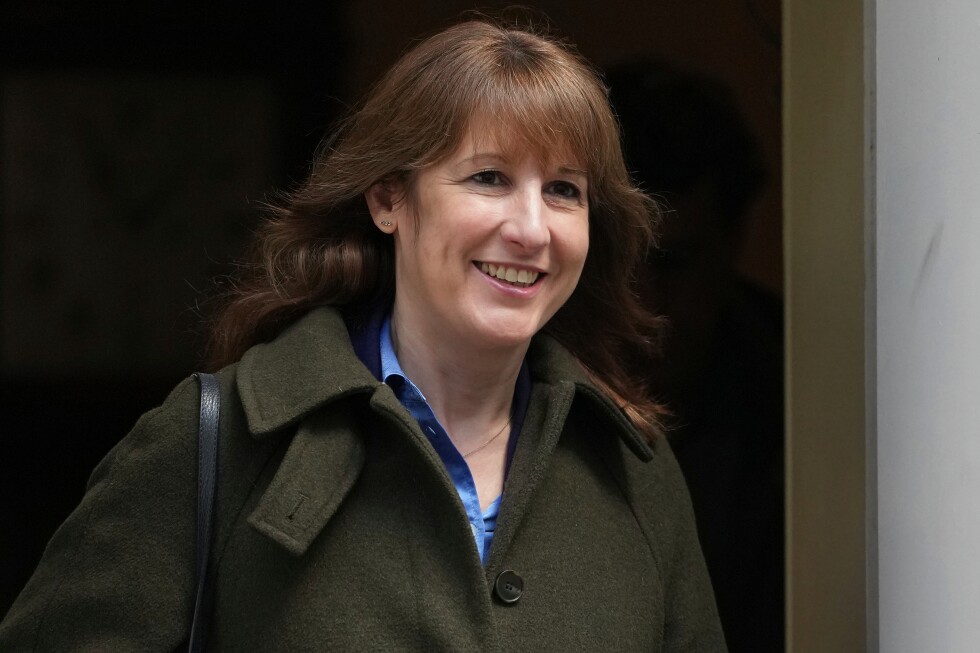
Economic experts identified the prolonged anticipation of Chancellor Rachel Reeves’ November budget announcement as a primary factor behind the economic hesitation. Throughout most of the quarter, businesses and consumers adopted a cautious wait-and-see approach amid speculation that the Treasury would abandon key pledges regarding income tax stability. When finally revealed, the implemented tax increases proved significantly less severe than initially feared.
Suren Thiru, Economics Director at the Institute of Chartered Accountants in England and Wales, characterized the disappointing quarter as the culmination of another frustrating economic year. “Growth diminished alarmingly rapidly following 2025’s robust beginning, with escalating taxation, intensified uncertainty, and weak productivity progressively constraining economic activity,” Thiru observed.
Despite some recent indicators suggesting potential growth acceleration in early 2026, the Bank of England has adopted a more cautious outlook. Last week, the central bank downgraded its growth projections for both 2026 and 2027, reducing forecasts from 1.2% to 0.9% and from 1.6% to 1.5% respectively.
The Labour government, which has witnessed declining public support since its 2024 election victory partly due to economic concerns, now pins hopes on anticipated interest rate reductions. With inflation expected to decrease significantly throughout the year, officials anticipate the Bank might implement a quarter-point cut in March, potentially lowering the main rate to 3.50% from the current 3.75%.
Simon Pittaway, senior economist at the Resolution Foundation think tank, emphasized the government’s critical challenge: “The imperative for 2026 involves intensifying focus on growth initiatives to establish a sustained economic recovery that will ultimately translate into improved household incomes.”