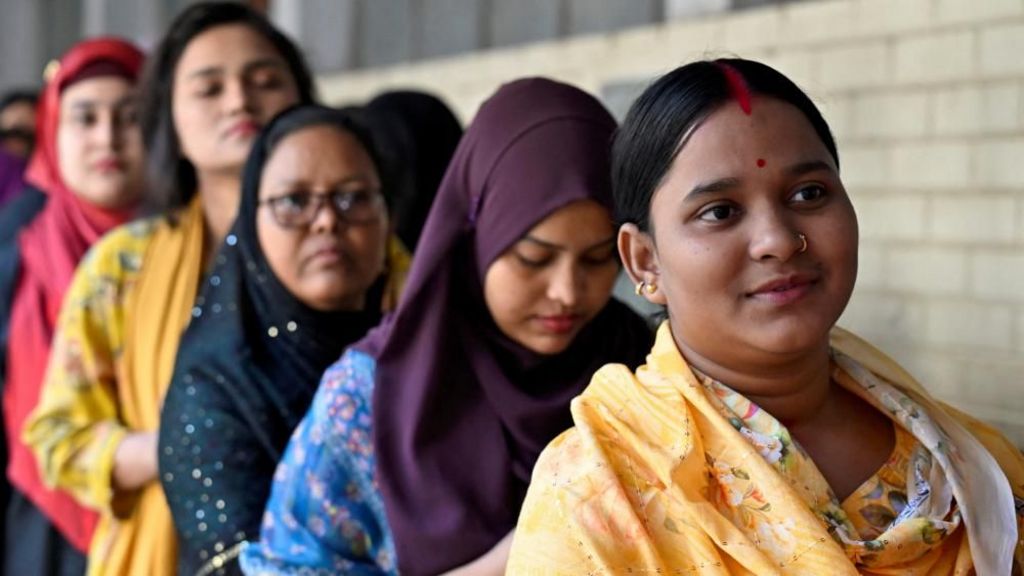
Bangladesh has entered a pivotal moment in its democratic history as ballot counting commences following a landmark general election. This electoral process marks the nation’s first since the 2024 student-led revolution that unseated long-serving Prime Minister Sheikh Hasina.
The political landscape has undergone a dramatic transformation, with over 2,000 candidates competing for parliamentary seats. Notably absent is Hasina’s Awami League party, which has been banned from participation. The election features a contest between the center-right Bangladesh Nationalist Party (BNP) and a coalition alliance led by the Islamist Jamaat-e-Islami party, which has joined forces with a new political entity emerging from the student protest movement.
The 2024 uprising, which according to UN estimates resulted in approximately 1,400 protester fatalities, created the conditions for this political reset. The interim government, which assumed power following Hasina’s ouster, has framed this election as part of a broader constitutional reform effort to address what it describes as a fundamentally flawed political system.
Security measures reached unprecedented levels with nearly one million police and military personnel deployed nationwide to ensure orderly voting procedures. Interim leader Muhammad Yunus, after casting his ballot in the capital Dhaka, characterized the election as the country’s transition from ‘ended the nightmare’ to ‘begun a new dream.’
The two principal candidates, Tarique Rahman representing the BNP and Jamaat’s leader Shafiqur Rahman, both participated in the voting process in Dhaka. Election results are anticipated to be announced on Friday, potentially reshaping Bangladesh’s political trajectory for generations to come.