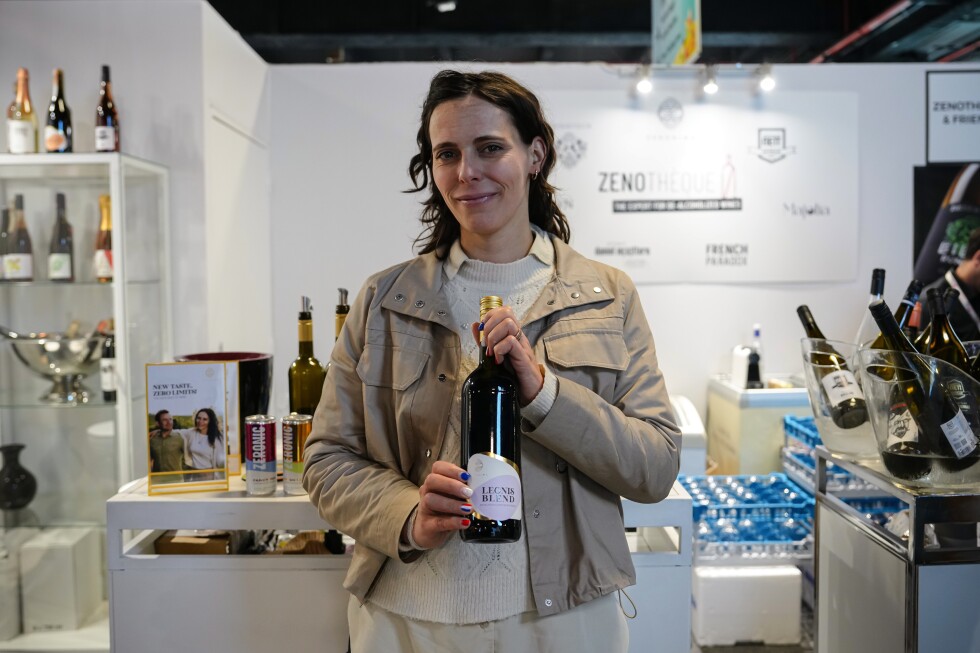
PARIS — In a nation historically synonymous with viniculture, a quiet revolution is transforming French social traditions. Justine Bobin, a Muslim teetotaler from Burgundy, represents a growing demographic challenging France’s deep-seated drinking culture. Her recent visit to the Wine Paris trade show highlighted the expanding market of sophisticated zero- and low-alcohol beverages that are redefining social interactions.
The emerging no/low alcohol sector, featuring products from across Europe, South Africa, Australia and New Zealand, is strategically positioning itself with mantras like ‘no alcohol, no regrets, no consequences.’ This movement capitalizes on shifting consumer preferences, particularly among younger generations increasingly conscious of alcohol’s health implications and social consequences.
Global trends support this transformation. The United States reports declining alcohol consumption, while international markets witness the gradual erosion of traditional alcohol dominance. France’s government now offers financial incentives for vintners to remove vineyards in response to decreasing demand. Even industry giant Heineken announced plans to eliminate 6,000 jobs globally by 2028 following reduced beer sales, while simultaneously experiencing double-digit growth in its no/low alcohol portfolio across 18 markets.
Bobin, who operates a delicatessen in France’s renowned Burgundy wine region, sees these beverages as tools for social inclusion. ‘It allows us to share moments with people without alcohol. Everyone can toast together—it creates alternatives that bring people together,’ she explained.
Statistical evidence confirms this cultural shift: French alcohol consumption has dramatically decreased over the past fifty years. Adults have largely abandoned the tradition of wine with meals, while younger generations demonstrate fundamentally different drinking patterns than their parents.
Austrian producer Katja Bernegger, who developed alcohol-free wines during pregnancy, emphasizes this is no temporary trend. ‘People are more mindful of their bodies. With responsibilities like children and careers, they cannot afford the consequences of alcohol consumption,’ she noted. Bernegger identified the social isolation felt by non-drinkers—’standing with orange juice while others enjoy wine’—and recognized the need for sophisticated non-alcoholic alternatives that preserve social participation without compromising lifestyle choices.