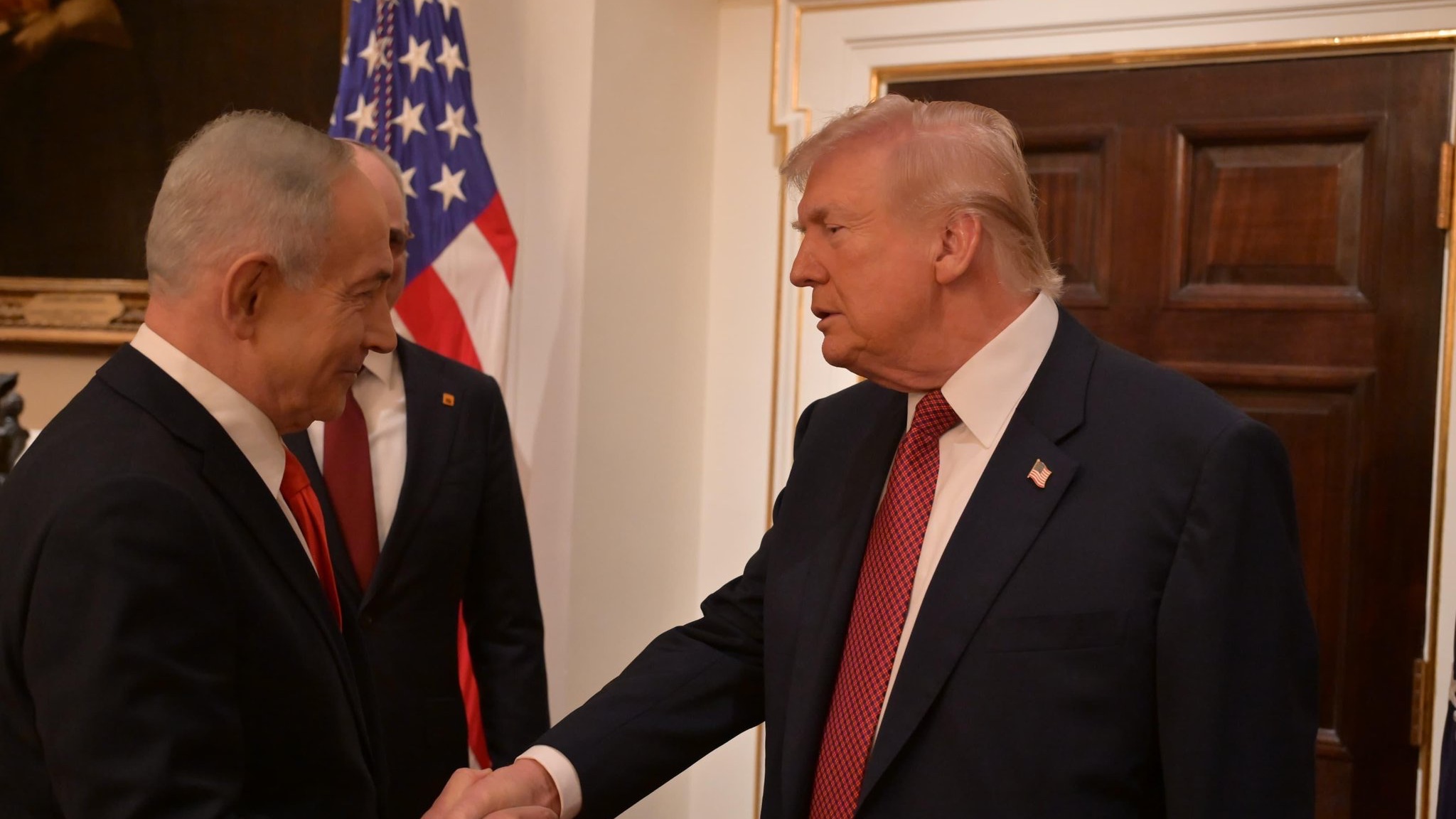
In a significant White House meeting lasting nearly three hours, U.S. President Donald Trump and Israeli Prime Minister Benjamin Netanyahu convened to address critical regional issues, with Iran’s nuclear program dominating discussions. President Trump explicitly communicated his preference for continued diplomatic engagement with Iran, while simultaneously acknowledging military preparedness through the deployment of a second aircraft carrier strike group to the Middle East.
The leaders emerged from their extended dialogue with agreements on enhanced coordination mechanisms between their administrations. Netanyahu’s office confirmed via social media that the Prime Minister emphasized Israel’s fundamental security requirements within the context of ongoing negotiations. This meeting occurred against the backdrop of substantial U.S. military reinforcement in the region since protests emerged in Iran from December through mid-January.
A notable development occurred as Netanyahu formally endorsed Trump’s ‘Board of Peace’ initiative during his Washington visit. The ceremonial signing took place at Blair House with U.S. Secretary of State Marco Rubio, though the document appeared backdated to January 19. This affiliation has drawn sharp criticism from Israeli political experts, including former National Security Council deputy Eran Etzion, who condemned the move as undemocratic and dictatorial without Knesset approval.
The Board of Peace, established under UN Security Council Resolution 2803, has generated international skepticism. Several NATO members, including Canada, the UK, and Germany, have expressed reservations about joining an entity that includes leaders facing international arrest warrants. Meanwhile, 25 American organizations have petitioned lawmakers to restrain administration war posturing, emphasizing constitutional requirements for military authorization and rejecting military solutions to Iranian challenges.