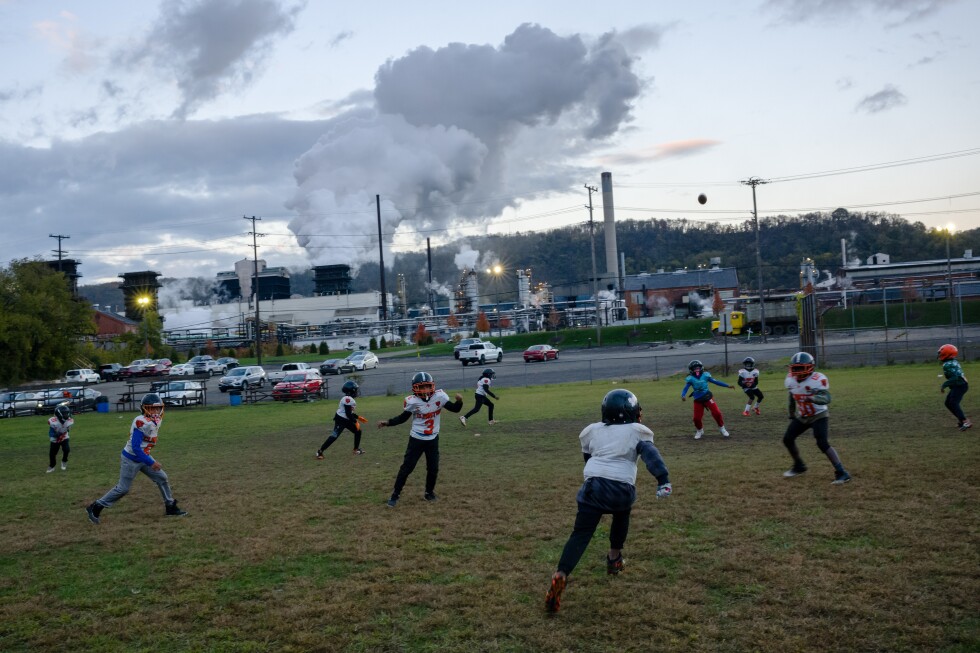
CLAIRTON, Pa. — The $15 billion acquisition of U.S. Steel by Japan’s Nippon Steel has created a complex tapestry of hope and skepticism in the historic heartland of American steel production. The Monongahela River Valley, once the crown jewel of industrial America, now stands at a critical crossroads between economic revival and environmental concerns.
The transaction, approved in June 2025 after previous presidential opposition, includes Nippon’s commitment to invest $11 billion in domestic steelmaking infrastructure. While $2.4 billion has been earmarked for revitalizing Southwestern Pennsylvania’s Mon Valley, uncertainty persists regarding allocation to the Clairton Coke Works—the Western Hemisphere’s largest coking facility and the economic backbone of this struggling community.
This sprawling plant, operational since 1916, represents both the promise of employment and the peril of environmental degradation. Generations of Clairton residents have endured persistent air pollution ranked among America’s worst, alongside community violence and economic decline. The August 2025 explosion that killed two workers intensified scrutiny of the facility, which contributes approximately two-thirds of Allegheny County’s industrial particulate pollution.
The community’s response reflects profound division. Lifelong resident Dorcas Rumble expresses faith in Nippon’s commitment: “I know Nippon Steel is going to pull us through here, get us back up and moving.” Conversely, Carla Beard-Owens, caring for an asthmatic granddaughter while battling multiple pollution-related illnesses, states: “At this point, I’d rather see it than believe it.”
November’s political shift saw the election of reform-minded Mayor Jim Cerqua, a former U.S. Steel foreman who campaigned on the platform “It is broke! We are going to fix it!” His administration faces the dual challenge of balancing municipal budgets dependent on steel plant taxes while addressing community health concerns.
Health statistics reveal alarming patterns: childhood asthma rates in Clairton reach 22.4%—triple the national average—with 60% of cases poorly controlled. ProPublica analysis indicates the coke works contributes 98.7% of the area’s excess cancer risk, with lifetime cancer rates 2.3 times the EPA’s acceptable limit.
While Nippon’s investment may extend the Mon Valley’s steelmaking lifespan, it also perpetuates its pollution legacy. As the community navigates this transition, residents embody contrasting perspectives—from those planning relocation due to health concerns to others investing in community revitalization efforts, all awaiting tangible evidence of Nippon’s promised transformation.