DHAKA, Bangladesh — Bangladesh stands at a pivotal democratic juncture as Thursday’s election approaches, marking the nation’s first electoral test following the 2024 student-led uprising that ousted former Prime Minister Sheikh Hasina. The political landscape has been dramatically reshaped by the return of Tarique Rahman, son of former Prime Minister Khaleda Zia, ending his 17-year self-imposed exile in December with a promise of national transformation.
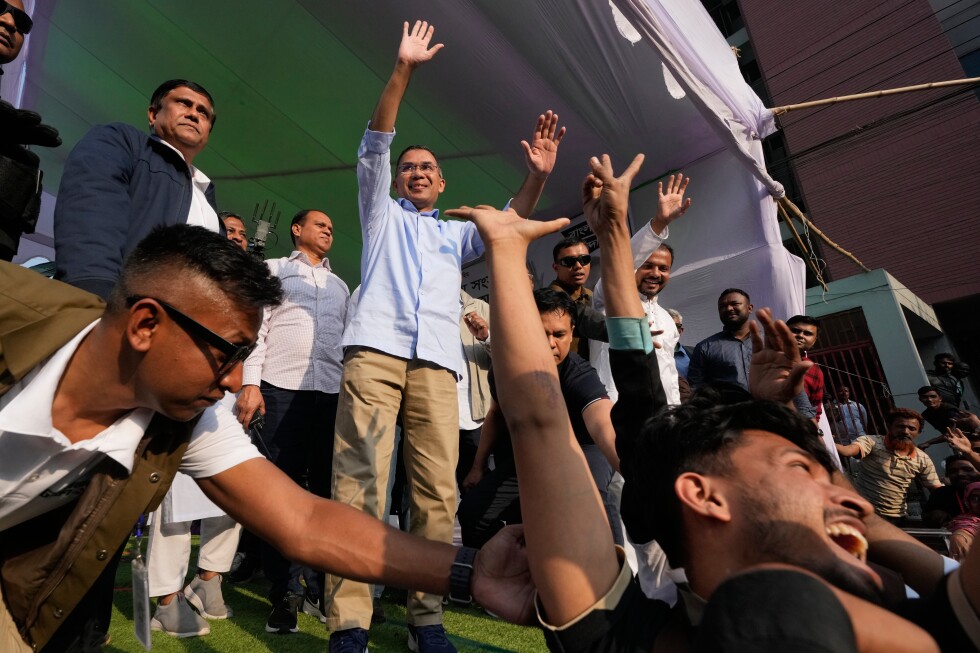
Rahman, now widely perceived as the front-runner, addressed a massive rally in Dhaka on Monday under tight security, declaring to enthusiastic supporters: “The main goal and objective of this plan is to change the fate of the people and of this country.” His Bangladesh Nationalist Party (BNP) campaigns on platforms of job creation, anti-corruption measures, and strengthened rule of law, positioning itself as a democratic alternative in a political environment historically marred by military interventions and electoral manipulation.
The election occurs against a backdrop of profound challenges: escalating religious intolerance, attacks on press freedom, resurgence of Islamist influence, and erosion of legal institutions. The absence of Hasina’s Awami League—boycotting the polls and urging supporter abstinence—has created an unusual political vacuum that Jamaat-e-Islami, Bangladesh’s predominant Islamist party, seeks to fill through an 11-party coalition.
Jamaat-e-Islami’s political ascent has generated particular concern regarding women’s rights, with party leader Shafiqur Rahman asserting women’s biological inferiority and opposing equal working hours. This stance has raised alarms about potential restrictions on fundamental rights should the alliance gain power.
The election represents a critical test for democratic restoration after years of contested polls and shrinking political space under Hasina’s administration. International observers emphasize that minimally violent elections with broad participation and accepted outcomes would constitute significant progress, though caution that democratic institution-building remains a long-term challenge.
Meanwhile, disillusionment grows among those who spearheaded the 2024 uprising. Nobel laureate Muhammad Yunus’s interim administration initially generated optimism, but hopes diminished when the newly formed National Citizen Party—created by student uprising leaders—joined forces with the Islamist alliance, prompting several resignations.
Press freedoms have deteriorated alarmingly since the uprising. Prominent talk-show host Roksana Anzuman Nicole remains off-air and confined to her home following threats, while journalists face increasing intimidation, job losses, and physical attacks. December witnessed the deadly shooting of a cultural activist and arson attacks on major newspaper offices, underscoring the precarious state of free expression.
The election includes a referendum on structural political reforms featuring prime ministerial term limits and enhanced executive checks. However, analysts caution that while providing Bangladesh’s first genuine electoral choice in 16 years, substantive democratic transformation will require comprehensive systemic overhaul beyond mere polling.