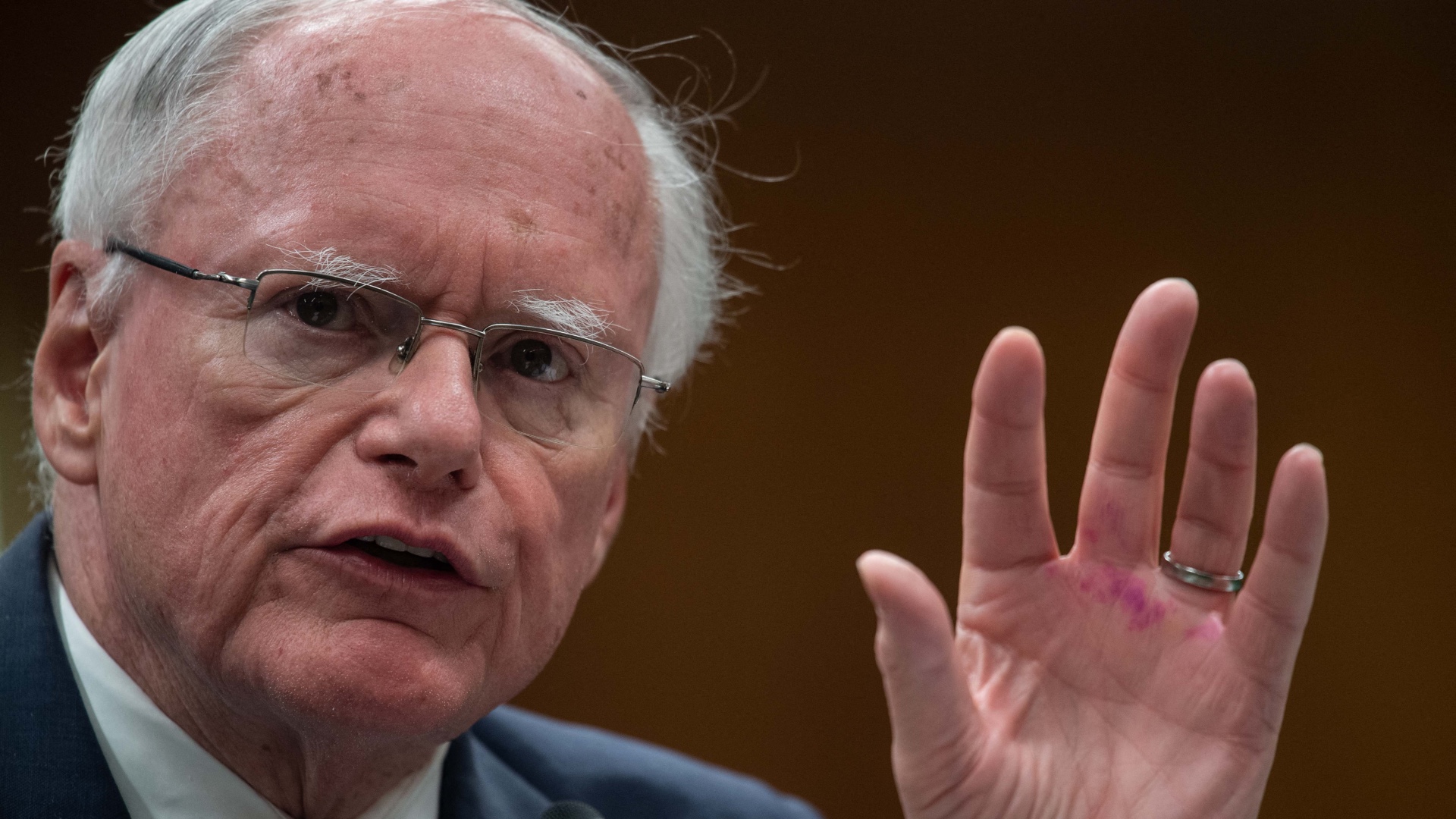
In a significant congressional testimony on Tuesday, former US Ambassador James Jeffrey issued a compelling appeal to lawmakers to sustain American military presence in Syria until the mission against Islamic State (IS) reaches definitive resolution. This development emerges amid serious deliberations within the Trump administration regarding complete troop withdrawal following Syria’s political transformation under new President Ahmed al-Sharaa.
Jeffrey, who served as Special Representative for Syria Engagement and Presidential Envoy for the Global Coalition to Counter IS, emphasized the strategic necessity of maintaining approximately 800-1,000 US troops alongside diplomatic personnel who could operate flexibly within Syria. His expert testimony before the House Committee on Foreign Affairs highlighted concerns about the potential collapse of US-backed Syrian Democratic Forces (SDF) and the unresolved status of IS detainees.
The geopolitical landscape has shifted substantially since December 2024, when al-Sharaa’s Hay’at Tahrir al-Sham (HTS) faction assumed control after former president Bashar al-Assad fled to Moscow. This transition has prompted unprecedented diplomatic engagement, including three direct meetings between al-Sharaa and President Trump, who has publicly praised the Syrian leader as “highly respected” and “a tough cookie.”
Complicating the strategic calculus, US Central Command has initiated transfers of 150 IS-affiliated prisoners from Syrian camps to secure facilities in Iraq, with plans to relocate all detainees ultimately. Meanwhile, Washington is actively mediating security arrangements between Syria and Israel, though negotiations face obstacles regarding Israeli troops stationed on Mount Hermon, which Israel considers a “red line” issue.
Jeffrey’s testimony revealed previously undisclosed cooperation between US agencies and al-Sharaa dating to 2016, noting that despite HTS’s terrorist designation, the group had effectively collaborated against IS forces and assisted in managing humanitarian crises along the Turkish border. This complex history underscores the diplomatic challenges as the administration reevaluates its Middle East strategy amid Syria’s remarkable political transformation.