The Trump administration’s newly unveiled National Security Strategy contains a potentially transformative policy shift that extends beyond its anticipated Asia-focused provisions. While the document’s Asia section reiterates familiar calls for rebalancing trade relations and reducing mutual economic dependence with China, the Western Hemisphere segment introduces what analysts have termed the “Donroe Doctrine”—a more immediate strategic concern for Beijing.
This doctrine explicitly commits to denying “non-Hemispheric competitors” the ability to position forces, control strategic assets, or maintain threatening capabilities within the Western Hemisphere. Most significantly, it pledges to “make every effort to push out foreign companies that build infrastructure in the region”—a clear reference to China’s substantial investments despite avoiding direct naming.
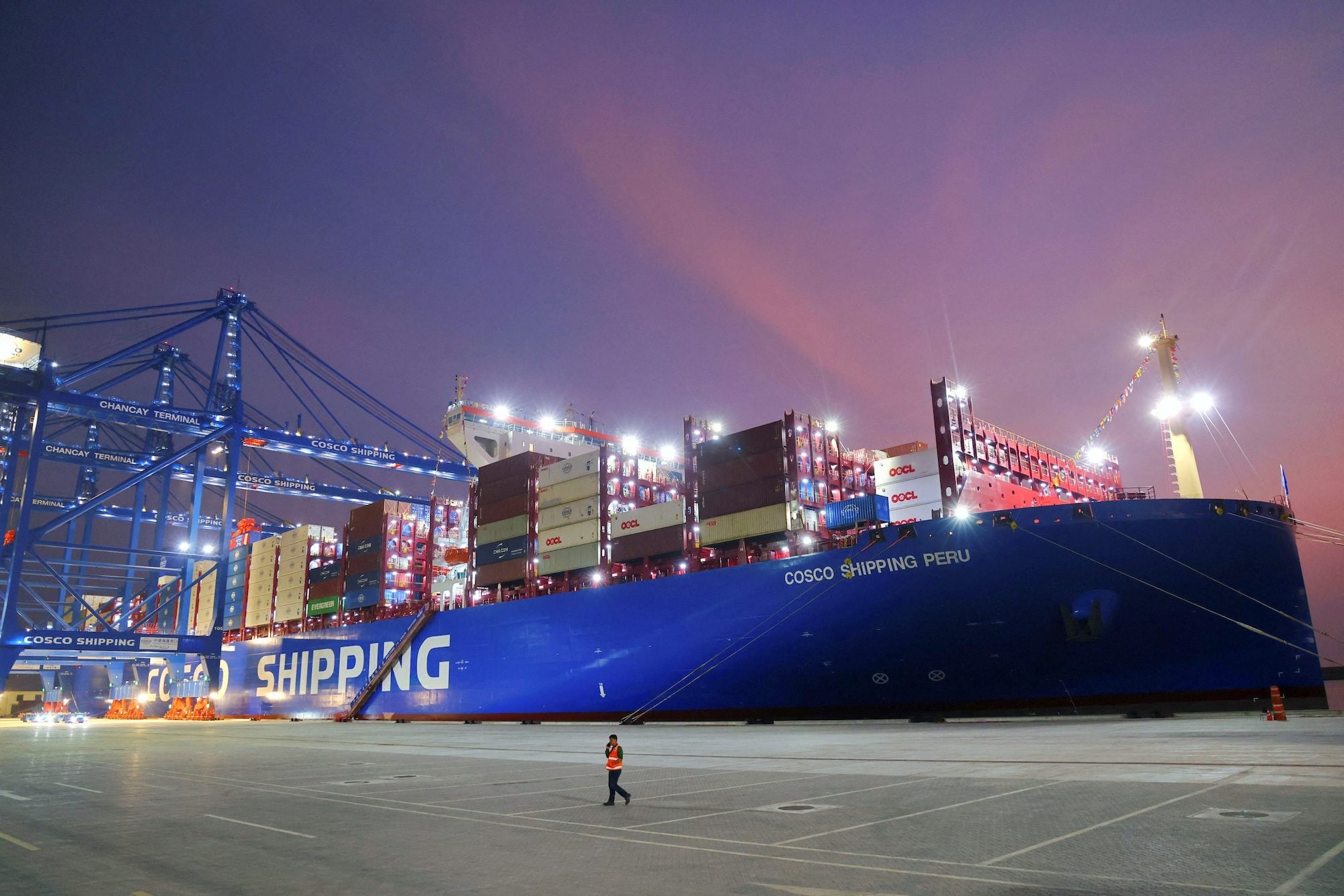
China has invested approximately $300 billion in Latin American infrastructure projects, including critical energy assets. Chinese companies currently provide electricity to Lima, Peru, and distribute two-thirds of Chile’s electrical power. The state-owned COSCO’s multi-billion dollar port project in Chancay, Peru—proximate to a U.S.-funded naval base upgrade—represents particularly strategic infrastructure that enhances Brazilian agricultural exports while raising U.S. military intelligence concerns.
The administration demonstrates seriousness through recent actions, including Panama’s Supreme Court voiding a Hong Kong company’s contract to operate ports at both ends of the Panama Canal following U.S. pressure. The document explicitly references enforcing a modernized Monroe Doctrine to restore American hemispheric preeminence, suggesting willingness to employ force as demonstrated in Venezuela.
Beijing now faces critical calculations regarding how extensively the U.S. might pursue Chinese divestment from hemispheric infrastructure, and what countermeasures might prove effective against this emerging doctrine that echoes historical imperial prerogatives.