A sudden regulatory shift by Syrian authorities prohibiting foreign commercial trucks from entering its territory has triggered significant logistical disruptions and prompted urgent diplomatic engagement from neighboring Lebanon and Jordan. The policy directive, enacted on Saturday, mandates that all non-Syrian freight carriers must unload their cargo at designated border zones, effectively barring them from transiting through Syrian road networks.
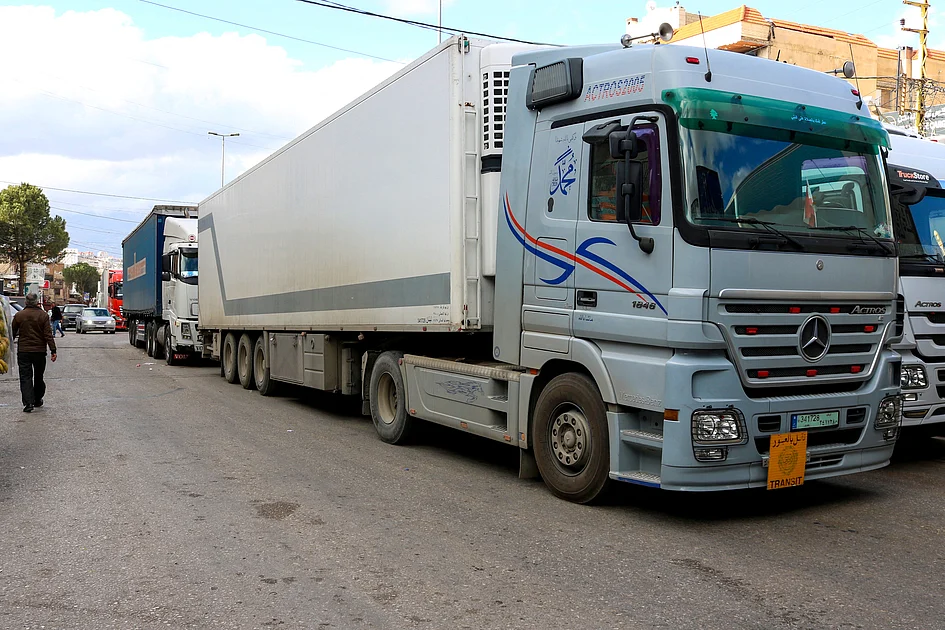
Visual evidence from the Masnaa border crossing revealed extensive queues of stranded Lebanese trucks, illustrating the immediate impact of Damascus’s decision. Lebanese transportation official Ahmad Tamer clarified that this measure represents a broader regulatory action rather than a targeted sanction, with approximately 500 Lebanese trucks typically crossing into Syria daily. Concurrently, Jordanian authorities reported similar operational challenges at the Nassib crossing, where roughly 250 Jordanian trucks undergo daily processing.
The Syrian General Authority for Ports and Customs characterized the move as part of ongoing efforts to systematize cargo movement through national ports. However, Lebanese transport associations have voiced strong opposition, warning through official channels about potentially severe economic repercussions given Syria’s critical role as Lebanon’s sole land conduit to Gulf markets.
This trade disruption occurs against a backdrop of gradual diplomatic normalization. Mere days before the truck ban implementation, Lebanese and Syrian officials finalized an agreement transferring 300 Syrian prisoners from Lebanese to Damascus custody, signaling continued efforts to rebuild bilateral relations despite current trade complications.