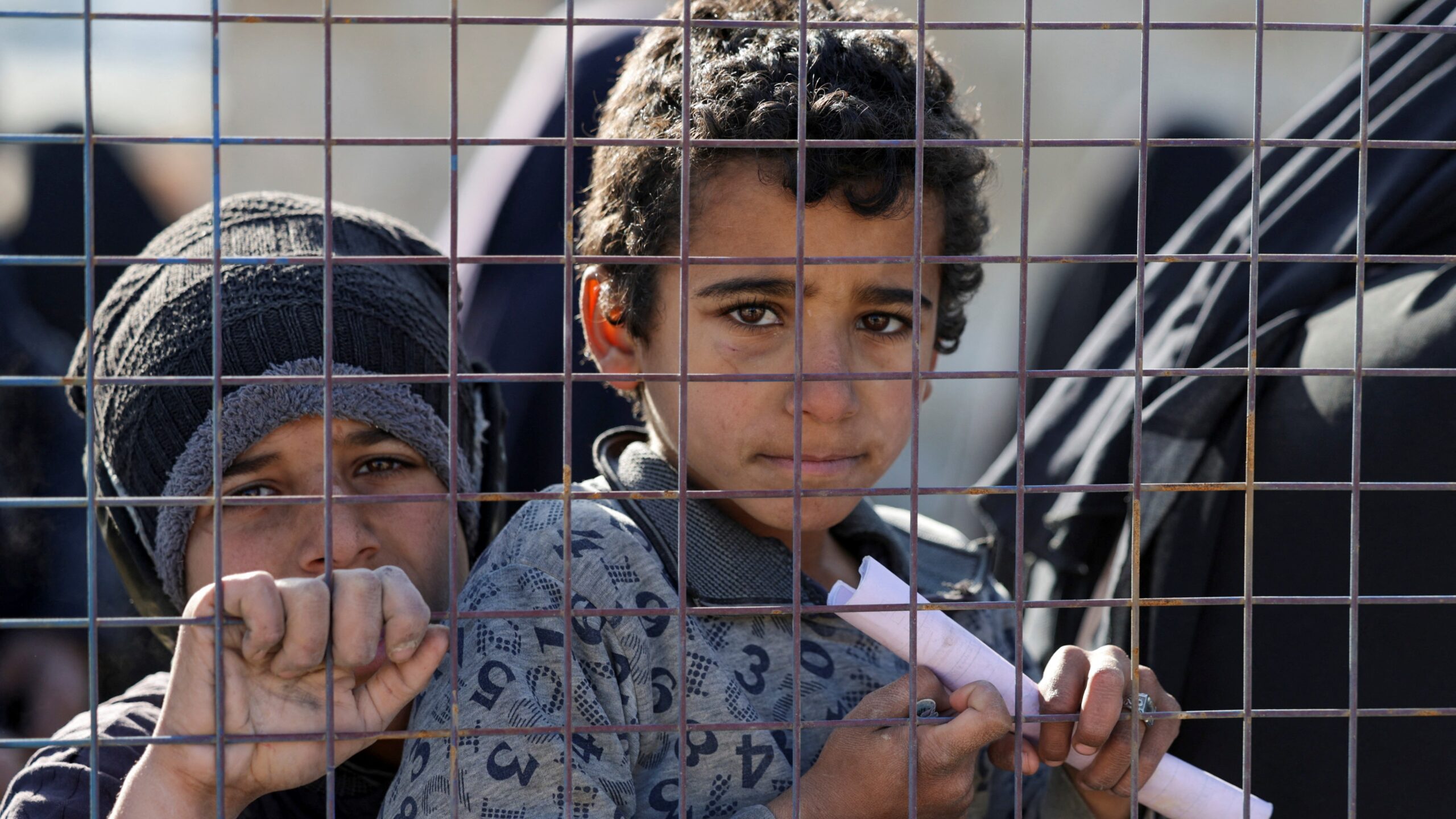
Disturbing testimonies from detainees within Syria’s al-Roj prison camp reveal a climate of escalating terror and systematic abuse against women and children with suspected Islamic State affiliations. This humanitarian crisis unfolds amidst a contentious transfer of control from Kurdish-led forces to the Syrian government, creating a dangerous power vacuum.
Multiple female detainees from European nations provided harrowing accounts to Middle East Eye of nightly raids conducted by security personnel. These operations allegedly involve forced removal from tents, beatings leading to unconsciousness, dousing with water in freezing conditions, and threats of sexual violence. Detainees report living in perpetual fear after dark, with the sound of approaching vehicles triggering widespread panic.
A particularly alarming practice involves the separation of children from their mothers, with camp authorities reportedly demanding $2,000 for each child’s return. Additional reports describe extensive looting of personal belongings and violent attacks, including one incident where guards allegedly broke a young girl’s jaw with an iron bar to extort money and phones from her mother.
The deteriorating situation follows recent announcements by US Central Command regarding prisoner transfers to Iraq and statements from Damascus about plans to permanently close both al-Roj and al-Hol camps. However, rights organizations indicate confusion persists regarding actual authority on the ground, with multiple military and administrative entities potentially exercising control.
Beatrice Eriksson, spokesperson for Swedish rights organization Repatriate the Children, confirmed these patterns reflect a broader security collapse. ‘What is unfolding in Roj is not accidental,’ Eriksson stated. ‘It is the predictable result of prolonged abandonment and failure to resolve responsibility.’
The organization advocates for coordinated international repatriation efforts, arguing that leaving vulnerable populations in these conditions risks further radicalization and perpetuates cycles of violence. Similar concerns were echoed by Yasmina from Families in Belgium, who reported receiving consistent accounts of curfews, humiliating treatment of young boys, and worsening conditions within camp prisons.