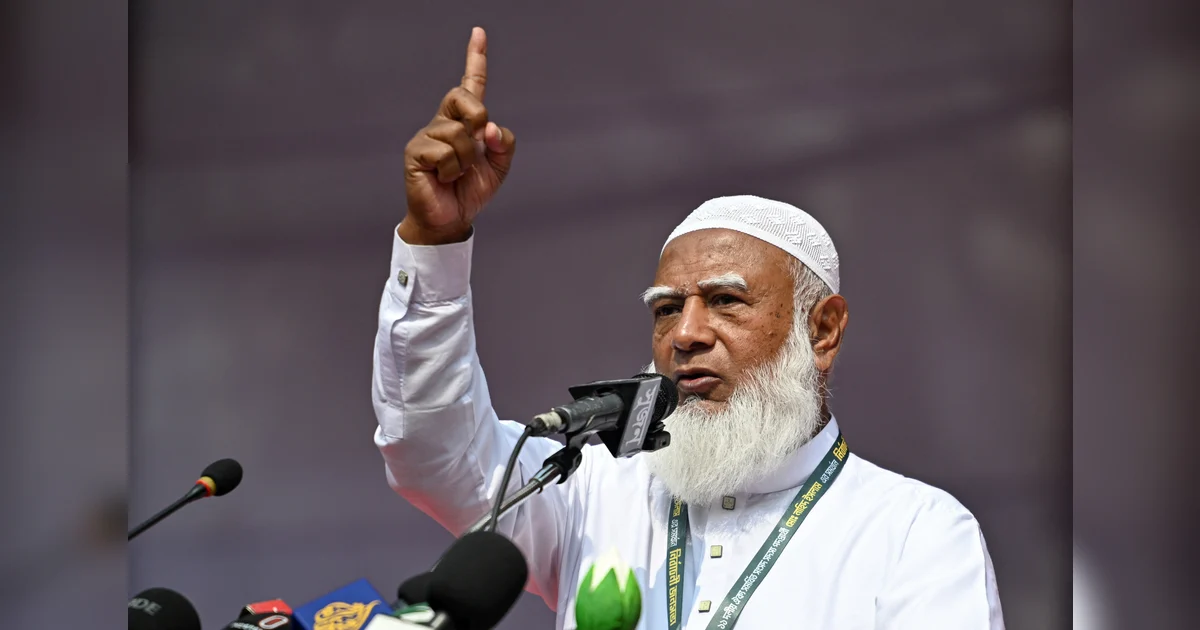
In a remarkable political transformation, Dr. Shafiqur Rahman has ascended from relative obscurity to become a serious contender for Bangladesh’s highest office. The 67-year-old physician and leader of the Islamist Jamaat-e-Islami party now gazes from campaign posters across Dhaka, representing what could become the nation’s first government led by an Islamist party.
The upcoming February 12 general election marks Bangladesh’s first national poll since the 2024 Gen Z-led uprising that toppled former Prime Minister Sheikh Hasina. Jamaat-e-Islami, once banned and driven underground during Hasina’s administration, has formed a coalition that presents a substantial challenge to the frontrunning Bangladesh Nationalist Party (BNP), its former ally.
Rahman’s political journey began in leftist student organizations before he joined Islami Chhatra Shibir, Jamaat’s student wing. He formally entered mainstream politics with Jamaat in 1984 and unsuccessfully contested national elections in 1996, 2001, and 2018. His fortunes changed dramatically following the 2024 uprising when an interim government led by Nobel laureate Muhammad Yunus eased restrictions on the party, and a 2025 court decision lifted the ban entirely.
Analysts attribute Rahman’s rapid rise to his ability to capitalize on the political vacuum created by Hasina’s departure. Professor Shafi Md Mostafa of Dhaka University notes that Rahman traveled extensively across the country, gained media attention, and transformed into a frontrunner within barely two years.
The Jamaat leader has attempted to present a more moderate image, emphasizing governance, anti-corruption measures, and social justice while promising equal treatment for all religions. His campaign has resonated with certain voter segments through charitable outreach and flood-relief initiatives. The party further expanded its appeal by allying with the Gen Z National Citizen Party, attracting younger and less conservative voters.
However, Rahman’s campaign has not been without controversy. His views on women’s roles in society—suggesting they should work no more than five hours daily to prioritize family responsibilities—and a social media post comparing women’s employment to “a form of prostitution” sparked protests at several universities. The party claimed his account had been hacked.
With approximately 91% of Bangladesh’s 175 million population identifying as Muslim, the election represents a significant moment for one of the world’s largest Muslim-majority nations. The outcome will determine whether this traditionally secular democracy embraces Islamist leadership or maintains its established political course.