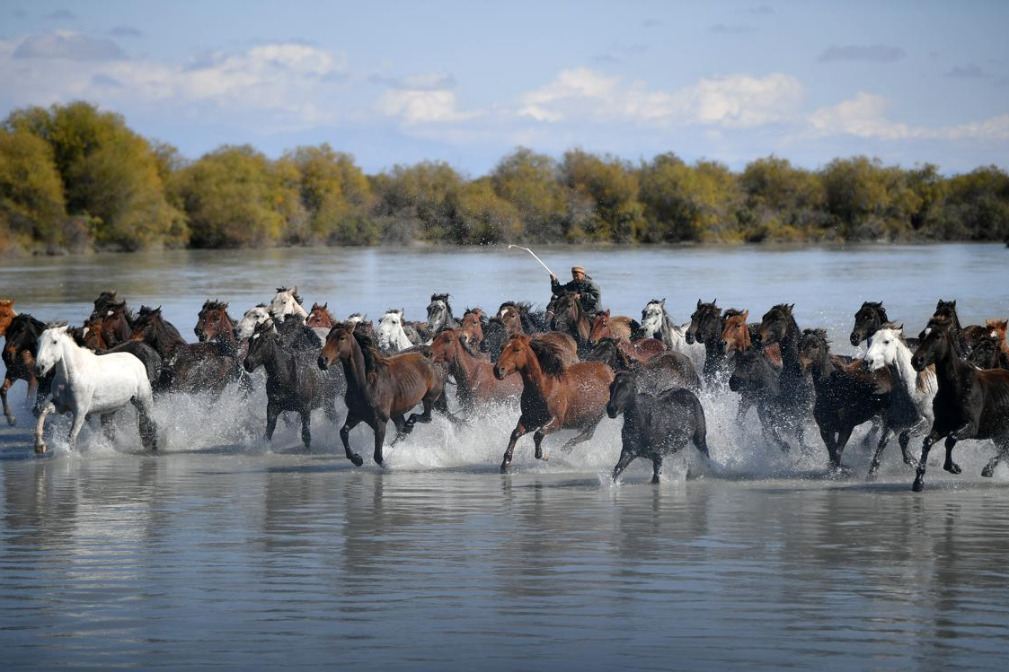
The Xinjiang Uygur Autonomous Region is witnessing a remarkable transformation of its traditional horse industry into a multifaceted economic powerhouse, seamlessly blending cultural heritage with tourism innovation. With the largest equine population in China, this northwestern region has developed a comprehensive industrial ecosystem spanning breeding, competitive racing, cultural preservation, and experiential tourism.
According to Yao Xinkui, head of the Horse Industry Research Institute at Xinjiang Agricultural University and president of the Xinjiang Horse Industry Association, the region has established a fully integrated equine economy. Recent data reveals extraordinary growth, with the total output value reaching 16.95 billion yuan ($2.5 billion) in 2024, marking a significant peak in the industry’s development.
The most explosive growth has occurred in horse racing events, which saw a staggering 230 percent increase in output value compared to 2018 levels. This surge reflects both increased domestic interest in equestrian sports and successful integration with tourism initiatives.
The Ili Kazak Autonomous Prefecture, home to the prized Ili Horse breed, now dominates China’s domestic sports horse market, capturing over 60 percent of market share according to recent government reports. This genetic advantage has become a cornerstone of the region’s economic strategy, combining premium breeding programs with cultural experiences that attract tourists and enthusiasts nationwide.
The strategic integration of equine activities with cultural tourism has created new economic opportunities while preserving ethnic traditions. Visitors can now experience everything from traditional Kazakh horsemanship demonstrations to modern racing events, all set against Xinjiang’s dramatic landscapes including the breathtaking Zhaosu Wetland Park where horses are frequently photographed crossing rivers against mountainous backdrops.
This equine-economic transformation represents a successful model of rural vitalization through cultural preservation and tourism innovation, demonstrating how traditional industries can evolve into modern economic drivers while maintaining ethnic heritage and promoting regional development.