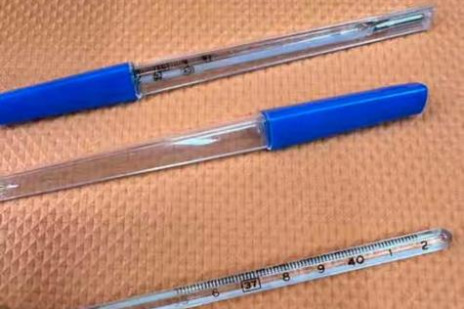
A nationwide prohibition on mercury thermometer manufacturing has triggered unprecedented market dynamics across China, revealing deep public attachment to the traditional medical device while accelerating the healthcare sector’s digital transformation. The ban, effective January 1, 2026, implemented under China’s commitments to the Minamata Convention on Mercury, has sparked both consumer anxiety and industry innovation.
Pharmaceutical retailers from Wuhan to Beijing report extraordinary buying surges, with prices escalating from approximately $0.70 to over $4 per unit within days. Pharmacy owner Tan Enping described implementing purchase limits as inventories dwindled: “Even with rationing of two thermometers per customer, our supplies will vanish rapidly due to overwhelming demand.”
The phenomenon stems from generations of trust in mercury-based thermometry, with many households considering them irreplaceable despite recognized hazards. Public health expert Su Jing from Tsinghua University clarified this represents “an inevitable measure” for environmental and health protection, noting mercury’s documented risks to neurological and renal systems when devices break and release toxic vapor.
Meanwhile, healthcare institutions have already completed their transition to digital alternatives. Wuhan No. 9 Hospital head nurse Wu Yin confirmed full departmental adoption of electronic thermometers five years ago, highlighting advantages including automated data recording and reduced infection transmission.
Manufacturers like Yuyue Medical Equipment & Supply Company have substantially pivoted toward electronic devices, with mercury products now constituting a minor segment of their operations. Contemporary alternatives encompass digital oral thermometers and infrared temporal/auricular models employing advanced sensor calibration systems that meet clinical accuracy standards.
The policy specifically prohibits manufacturing rather than possession or sale of existing inventory, creating an interim period where education about proper mercury cleanup procedures—including ventilation, protective equipment, and hazardous waste disposal—has become a public health priority.