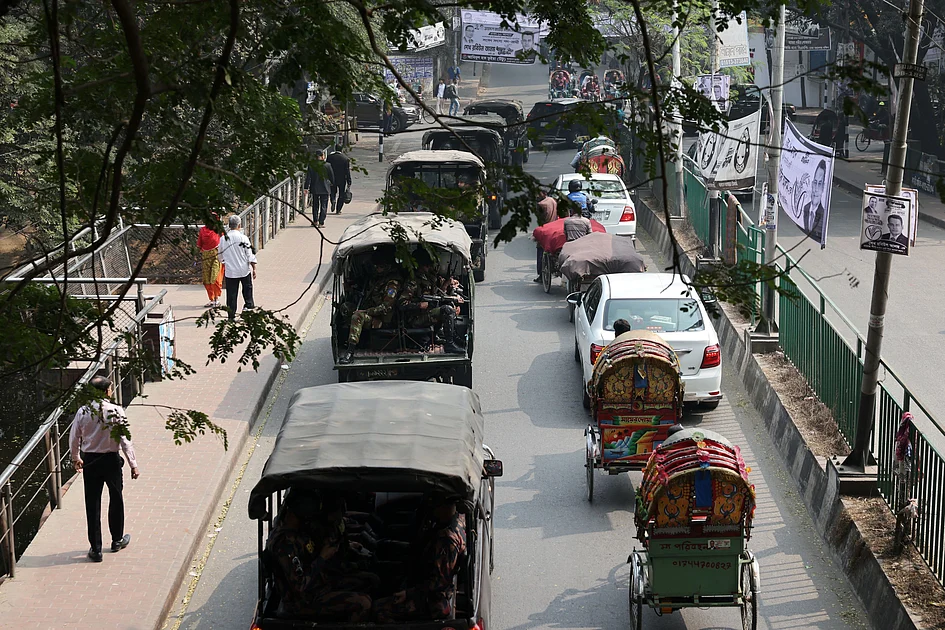
Bangladesh stands at a critical democratic juncture as it prepares for national elections on February 12, marking the first electoral test since the dramatic ouster of long-serving Prime Minister Sheikh Hasina in August 2024. With approximately 128 million eligible voters, the election represents a watershed moment for the nation’s political trajectory after eighteen months under an unelected interim administration.
According to comprehensive polling by the Dhaka-based Communication Research Foundation and Bangladesh Elections and Public Opinion Studies, voter concerns have crystallized around several pressing issues. Corruption emerges as the predominant worry among the electorate, reflecting Bangladesh’s persistently poor performance in global corruption indices. This has prompted leading contenders—the Bangladesh Nationalist Party (BNP) and Jamaat-e-Islami—to center their campaigns on anti-graft platforms.
The economic landscape presents significant challenges, with inflation reaching 8.58% in January. Over two-thirds of poll respondents identified rising prices as their second-most urgent concern. The nation’s economic development, once among Asia’s most dynamic, has struggled to recover momentum following pandemic-induced disruptions to its crucial garment export sector and subsequent political turmoil.
Employment generation represents another critical issue, particularly for Bangladesh’s substantial youth demographic—approximately 40% of the population is under 30. The incoming government will face immense pressure to create sustainable job opportunities after months of instability.
The electoral process itself has been transformed by the exclusion of Hasina’s Awami League, which has been barred from participation. This unprecedented development has created a political vacuum that could potentially disenfranchise millions of former party supporters. While some voters have threatened to boycott the election, political analysts anticipate that former Awami League constituents will significantly influence the outcome, with nearly half now favoring the BNP and approximately 30% supporting Jamaat-e-Islami according to recent surveys.