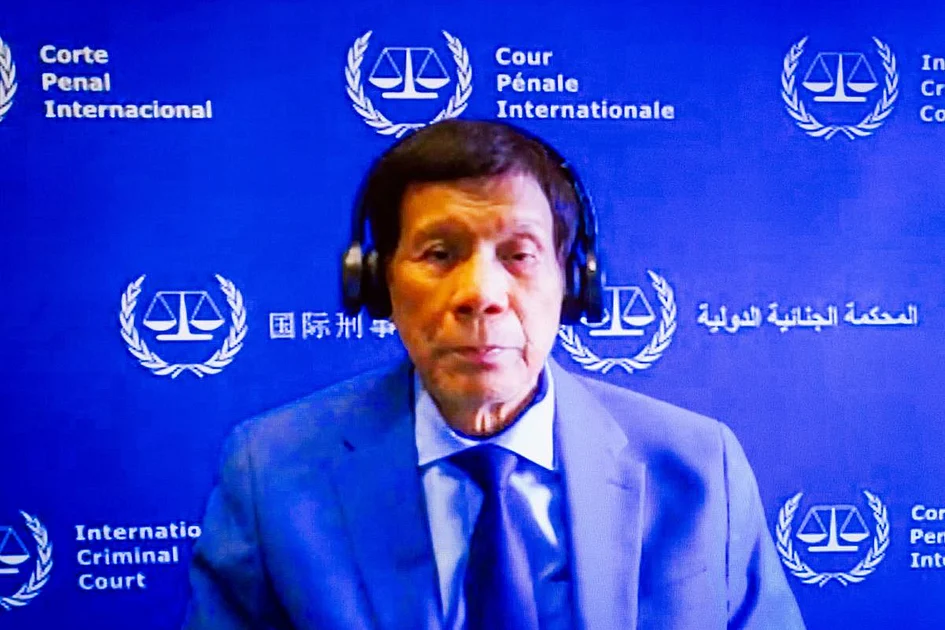
As former Philippine President Rodrigo Duterte approaches his February 23 confirmation of charges hearing at the International Criminal Court, a powerful grassroots movement is ensuring the victims of his controversial drug war are not forgotten. Father Flaviano Villanueva, a reformed drug dependent turned advocate, has created ‘Lakbay Museo ng Paghilom’ (Traveling Museum for Healing) – a mobile exhibition documenting the human cost of Duterte’s anti-drug campaign.
The museum, which has toured schools, church parishes, and government buildings including the Philippine Senate and Congress, displays artifacts, photographs, and personal narratives from families affected by extrajudicial killings. Among the most poignant exhibits is the bloodied shirt of three-year-old Myca Ulpina, killed during a police raid targeting suspected drug dependents.
‘To remember the victims by name, by story, by the fullness of their humanity—is to declare that the victims were not statistics, not collateral damage, not disposable,’ Father Villanueva stated during the exhibit’s opening. He emphasized that ‘memory protects truth when lies become louder’ and prevents building ‘a future on erasure.’
The exhibition emerges as Duterte faces ICC charges of crimes against humanity related to his anti-drug operations. Human rights organizations estimate the campaign resulted in up to 30,000 deaths during his presidency from 2016-2022. The former leader, currently detained at the ICC prison in Scheveningen near The Hague, faces three sets of charges covering murders dating back to his tenure as Davao City mayor and subsequent presidential actions against alleged drug figures.
While Duterte denied authorizing extrajudicial killings, he openly threatened to kill drug suspects and encouraged authorities to use lethal force if suspects resisted arrest – orders that Amnesty International claims led to thousands of unlawful deaths predominantly among poor communities.
The traveling museum has sparked intense debate across Philippine society. Duterte supporters dismiss it as ‘black propaganda’ and argue that victims of drug-related violence deserve equal recognition. Some pro-Duterte social media commentators suggest the exhibition aims to divert attention from allegations against current President Ferdinand Marcos Jr., whom his own sister Senator Imee Marcos has alleged to be an illegal drug user.
With emotions running high both online and in public discourse, the mobile memorial serves as a poignant counter-narrative to official accounts of the drug war as the nation awaits a landmark legal reckoning at the international level.