British Prime Minister Keir Starmer confronts a severe political crisis following his controversial appointment of Peter Mandelson as ambassador to the United States. The decision has drawn intense scrutiny due to Mandelson’s documented associations with Jeffrey Epstein, the convicted sex offender whose recently unsealed court files have revealed damaging new details about their relationship.
This escalating scandal threatens to undermine Starmer’s premiership, though Labour Party mechanisms present significant obstacles for potential challengers. Unlike Conservative leadership rules, Labour requires any contender to secure backing from 80 lawmakers—representing one-fifth of the party’s parliamentary membership—to initiate a leadership contest.
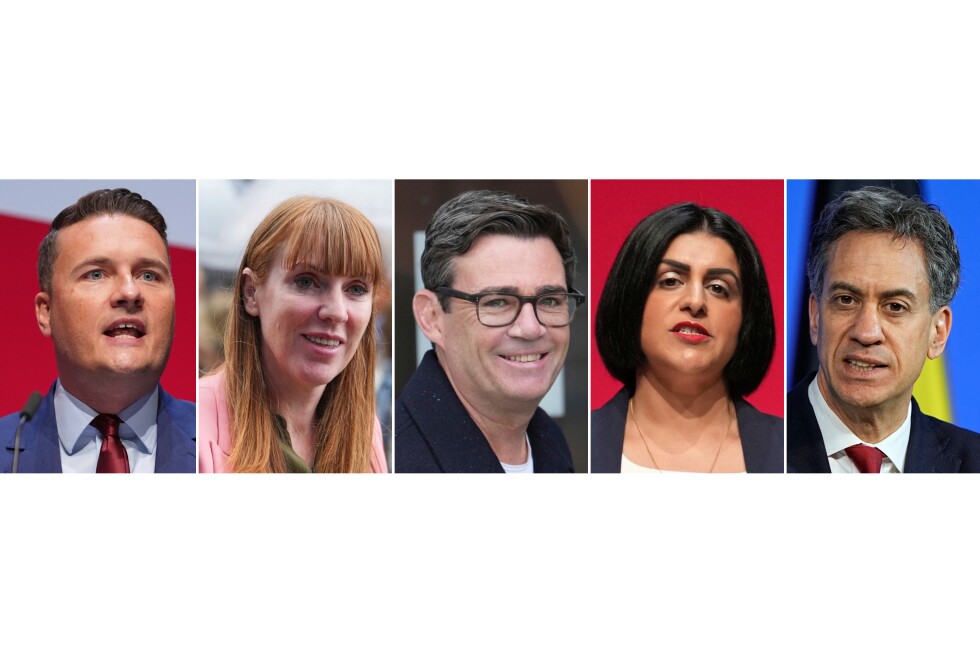
Several prominent figures emerge as potential successors should Starmer’s position become untenable:
Health Secretary Wes Streeting, recognized as a polished communicator, has gained visibility through his forthright statements on international issues including the Gaza conflict. Though he vehemently denied previous leadership speculation, calling such suggestions “nonsense,” his ambitions remain subject of ongoing political discourse.
Former Deputy Prime Minister Angela Rayner represents a distinct political profile within Labour ranks. With a background that includes trade union activism and overcoming socioeconomic challenges, she maintains substantial party support despite recent controversies surrounding tax payments on property transactions. Rayner has notably led parliamentary efforts to transfer control of Epstein-related document releases to the Intelligence and Security Committee.
Andy Burnham, the popular center-left Mayor of Greater Manchester, possesses previous cabinet experience as Culture and Health Secretary. However, his leadership prospects diminished after Labour blocked his parliamentary candidacy, effectively excluding him from contention under the convention that prime ministers must serve as sitting MPs.
Home Secretary Shabana Mahmood has garnered conservative faction support through her stringent immigration policies and law enforcement measures. Meanwhile, Energy Secretary Ed Miliband—having previously led the party during its opposition years—brings substantial governmental experience despite publicly disavowing any desire to reclaim the leadership role.
The unfolding situation demonstrates profound implications for Labour’s stability and governance approach amid one of the most significant political scandals in recent British history.