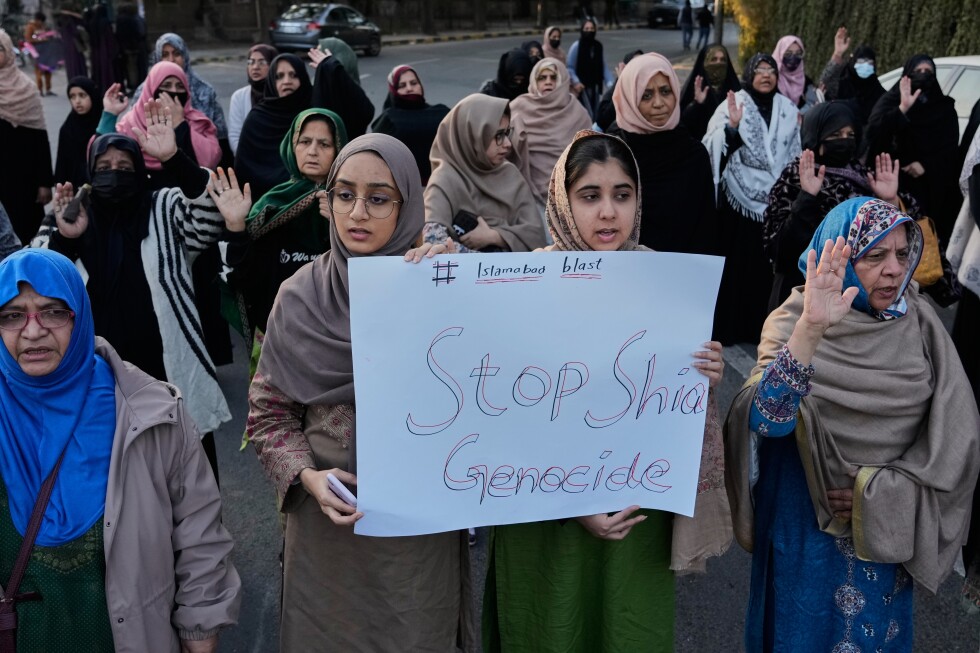
ISLAMABAD — Pakistani President Asif Ali Zardari has issued a grave warning that Afghanistan’s Taliban-led government has established security conditions mirroring or exceeding the perilous environment that preceded the September 11, 2001 terrorist attacks. This declaration signals escalating diplomatic tensions following last week’s devastating mosque bombing in Islamabad that killed 31 worshippers and injured 169.
In strongly worded statements delivered Sunday, President Zardari asserted that terrorist organizations now pose renewed threats to global peace under the Taliban’s governance. While expressing gratitude for international condemnation of the attack claimed by Islamic State, Zardari pointedly accused Pakistan’s eastern neighbor India of ‘assisting the Taliban regime and threatening not only Pakistan but regional and global peace.’
The presidential remarks represent a significant escalation in rhetoric likely to provoke responses from both Kabul and New Delhi. Both nations have previously denied involvement in the suicide bombing and rejected similar allegations from Pakistani officials.
This diplomatic confrontation revives historical tensions reminiscent of the period between 1996-2001 when the previous Taliban administration sheltered al-Qaeda leader Osama bin Laden and permitted terrorist training camps despite international objections. Although bin Laden was ultimately eliminated by U.S. forces in Pakistan in 2011, current leadership contends that similar patterns are reemerging under the resurrected Taliban regime that regained power in August 2021.
Interior Minister Mohsin Naqvi revealed that security forces have apprehended four suspects connected to the mosque attack, including an Afghan national allegedly linked to the militant group who helped mastermind the operation. Detainees include the bomber’s mother and brother-in-law, though Pakistani authorities haven’t disclosed full details regarding familial involvement.
Analysts interpret Zardari’s statements as reflecting growing frustration with perceived external support for militant groups. Asif Durrani, Pakistan’s former special representative for Afghanistan, characterized the warning as ‘unambiguous: terrorism thrives where it is tolerated, facilitated, or used as a proxy.’
The security situation remains volatile as Pakistan experiences a resurgence of militant violence attributed to Baloch separatist groups and Tehrik-e-Taliban Pakistan (TTP), which maintains separate but allied relations with Afghanistan’s Taliban leadership. Meanwhile, Islamic State’s regional affiliate continues to operate as a major Taliban rival, conducting attacks throughout Afghanistan.