In a landmark decision with profound regional implications, the Israeli government has ratified a comprehensive overhaul of land registration protocols and civil administration mechanisms within the occupied West Bank. The controversial policy shift, championed by Finance Minister Bezalel Smotrich and Defence Minister Israel Katz, is framed by its proponents as a measure to standardize legal and civil rights for Israeli settlers. They assert it will remove existing bureaucratic impediments, thereby accelerating settlement development and normalizing daily life.
However, the move has been met with vehement condemnation from Palestinian leadership and factions, who decry it as a severe breach of international law and a deliberate step toward de facto annexation. Palestinian President Mahmoud Abbas, via the Wafa news agency, declared the policy a direct violation of the foundational Oslo Accords. Echoing this sentiment, Rawhi Fattouh, chairman of the Palestinian National Council, labeled the decisions as “racist and dangerous,” accusing Prime Minister Benjamin Netanyahu’s government of imposing new colonial realities.
The policy’s practical implications are extensive. It empowers the military to enforce regulations on structures deemed unlicensed, even within Areas A and B—zones previously under Palestinian civil control—citing heritage and archaeological preservation, a provision critics warn will facilitate land confiscation and demolitions. A critical component lifts the secrecy on West Bank land registries, publicly exposing Palestinian ownership records. This transparency, celebrated by settler groups like the Yesha Council as entrenching Israeli sovereignty, is feared to enable widespread land seizures by making it easier for settlers to identify and pressure landowners or forge claims.
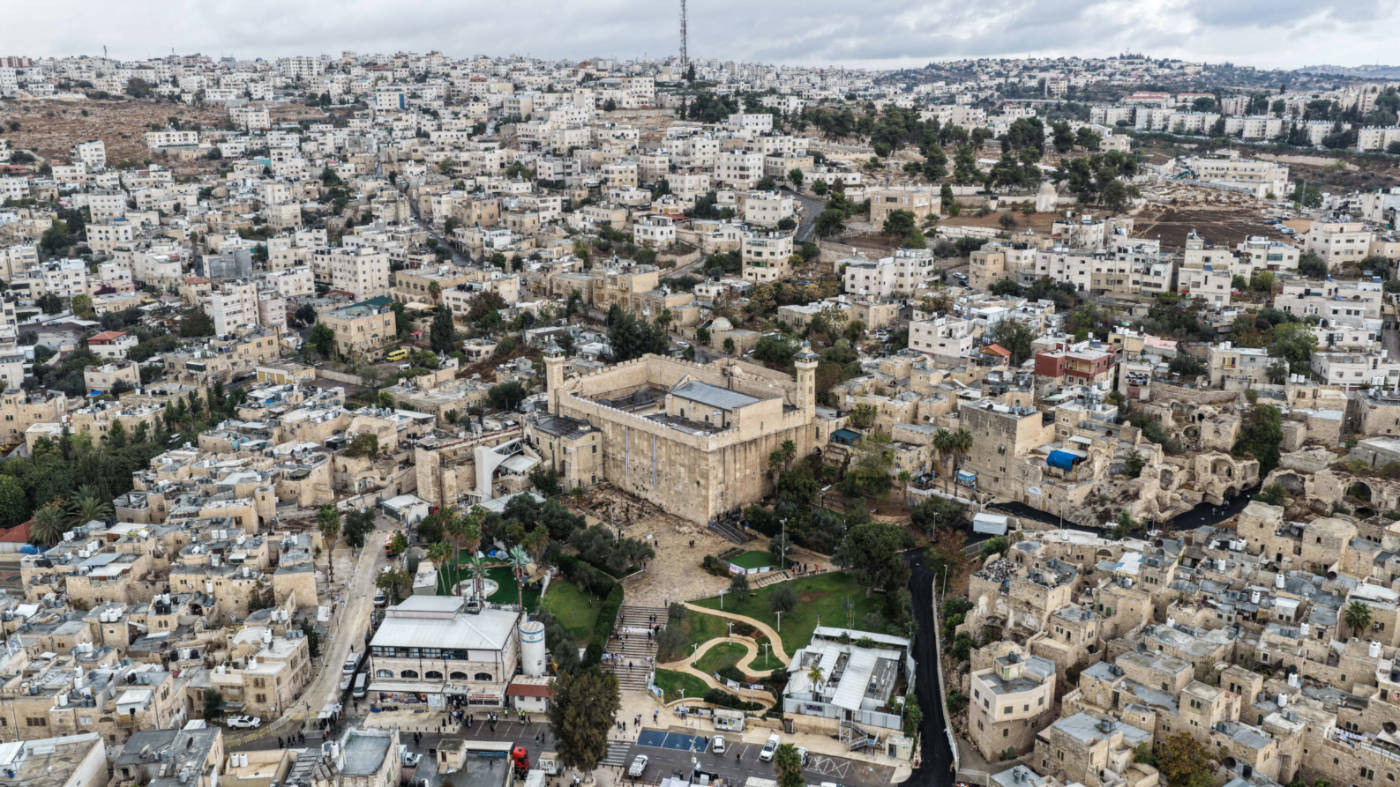
Furthermore, the measures simplify the sale of Palestinian land to Israelis by overturning a Jordanian-era law that prohibited such transfers to non-Palestinians. In a significant jurisdictional change, planning and construction authority in the volatile city of Hebron will be transferred from the Palestinian municipality to the Israeli military, with an independent local body established for the Israeli settlement there—a move the Hebron municipality condemned as “illegitimate and dangerous.” The policy also extends to holy sites, including the Ibrahimi Mosque, following earlier Israeli actions to seize planning rights over parts of the complex. This occurs amidst a documented rise in settler violence and access restrictions to Palestinian holy sites since October 2023.
Peace Now, an Israeli NGO monitoring settlements, warned that the government has effectively chosen to “topple the Palestinian Authority” and impose a reality of annexation, breaking barriers to massive land appropriation across the entire West Bank, far beyond the Area C framework established by the Oslo Accords.