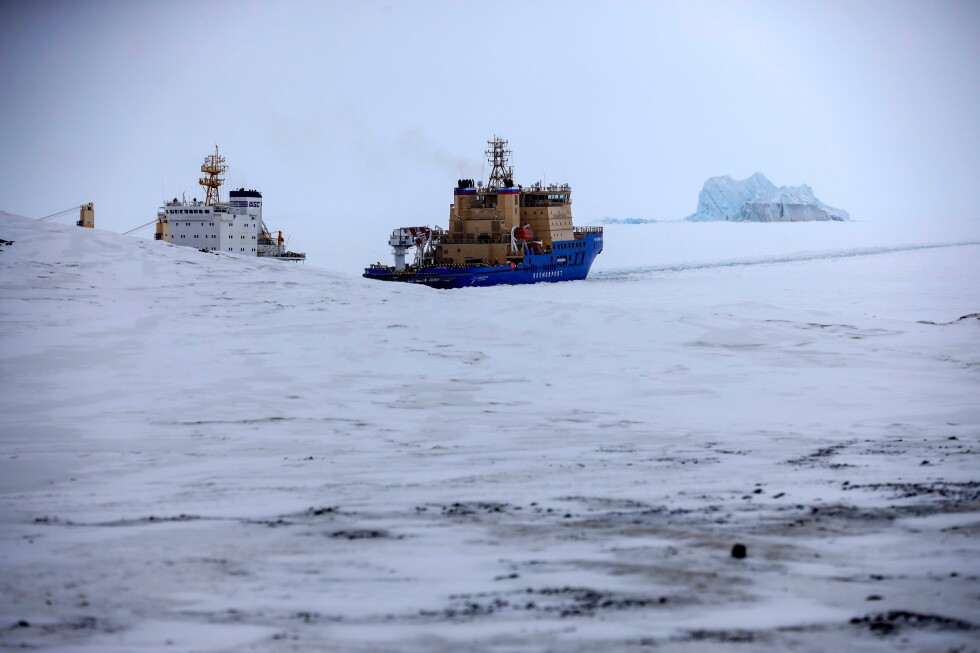
The rapidly melting Arctic sea ice, accelerated by global warming, has triggered a dramatic surge in marine traffic through previously frozen waterways. This newly accessible shipping corridor has come with severe environmental consequences: ships are emitting black carbon (soot) that deposits on ice and snow, significantly reducing their reflectivity and causing accelerated melting.
Environmental scientists warn this creates a dangerous feedback loop where darker surfaces absorb more solar heat, making the Arctic the planet’s fastest-warming region. This warming not only affects local ecosystems but also disrupts global weather patterns.
In response to this crisis, several nations including France, Germany, Denmark, and the Solomon Islands proposed to the International Maritime Organization in December that vessels operating in Arctic waters (north of the 60th parallel) must switch to cleaner ‘polar fuels’ that emit less carbon pollution. The proposal includes detailed compliance measures and is scheduled for review by the IMO’s Pollution Prevention and Response Committee.
However, geopolitical tensions and conflicting national interests have complicated environmental regulation efforts. Former President Trump’s administration previously opposed carbon fee proposals for shipping and lobbied against international climate agreements, creating uncertainty about the current proposal’s prospects.
Even within Arctic nations, internal conflicts emerge. Iceland exemplifies this tension: while pioneering green technologies like carbon capture and geothermal energy, the nation’s influential fishing industry resists stricter maritime regulations due to cost concerns. The industry’s political sway has slowed environmental progress despite government recognition of the problem.
Statistical data reveals the scale of the issue: between 2013-2023, ship traffic north of the 60th parallel increased by 37%, with total distance traveled surging 111%. Concurrently, black carbon emissions rose from 2,696 metric tons in 2019 to 3,310 metric tons in 2024. Fishing vessels were identified as the primary source of this pollution.
While some major shipping companies like Mediterranean Shipping Company have pledged to avoid Arctic routes, the economic incentives of shorter transit times and resource extraction continue to drive increased traffic. Environmental advocates emphasize that fuel regulation remains the most viable solution, as restricting Arctic shipping traffic entirely appears politically unattainable given the region’s growing economic strategic importance.