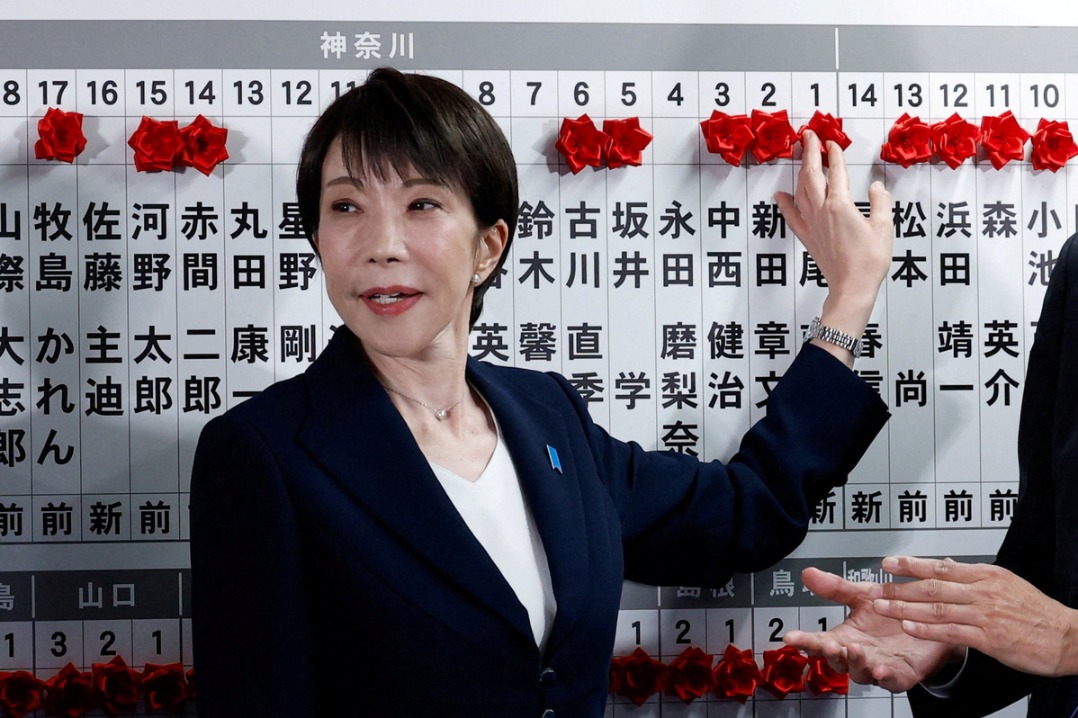
In a landmark electoral outcome, Japan’s ruling Liberal Democratic Party (LDP) has achieved an unprecedented parliamentary supermajority following Sunday’s House of Representatives election. Official results confirm the LDP captured 316 seats in the 465-member lower house, surpassing the critical two-thirds threshold of 310 seats for the first time in Japan’s postwar history.
The ruling coalition, which includes the Japan Innovation Party (JIP) as junior partner, collectively secured 352 seats. The JIP contributed 36 seats to this total, marking significant gains from their pre-election standing of 34 seats. This decisive victory provides Prime Minister Sanae Takaichi with substantial political capital to advance her policy agenda.
The electoral outcome carries profound constitutional implications, enabling the LDP to pursue constitutional amendments and enact legislation even if rejected by the upper chamber, where the coalition remains in the minority. This supermajority potentially opens the door to revisions of Japan’s pacifist constitution, a long-standing LDP objective.
Opposition parties faced substantial setbacks, with the newly formed Centrist Reform Alliance—an amalgamation of the Constitutional Democratic Party and Komeito—managing to secure only 49 seats. Smaller parties including the Democratic Party for the People (28 seats), Sanseito (15 seats), emerging Future Team (11 seats), and Japanese Communist Party (4 seats) rounded out the parliamentary representation.
Voter participation showed modest improvement at approximately 55.68%, compared to 53.85% in the previous 2024 general election. A total of 1,284 candidates competed for parliamentary positions through both single-seat constituencies and proportional representation across 11 regional blocs.
Financial markets responded positively to the political stability signaled by the election results. Japanese equities surged approximately 5% during Monday morning trading, while the yen weakened against major currencies. Analysts anticipate Prime Minister Takaichi will now advance her “responsible and proactive fiscal policy” agenda, focusing on addressing cost-of-living pressures while promoting strategic investment initiatives.