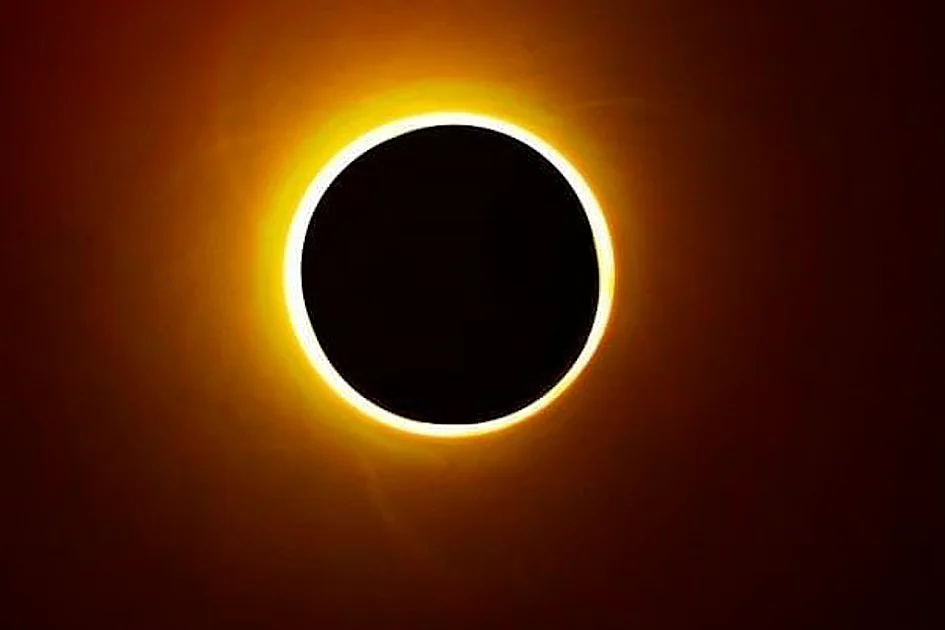
As Muslims worldwide anticipate the sighting of the crescent moon marking the commencement of Ramadan on February 17, 2026, astronomical experts in Dubai have addressed concerns regarding a coinciding solar eclipse. According to Khadijah Al Hariri of the Dubai Astronomy Group, the annular solar eclipse occurring that afternoon will have no effect on traditional moon-sighting practices for determining the holy month’s start.
The celestial event, scheduled for approximately 4:00 PM UAE time, will feature the moon passing before the sun while leaving a distinctive ‘ring of fire’ visible. However, Ms. Al Hariri emphasized that eclipse phenomena will conclude before sunset, when lunar observation committees typically convene for official crescent verification.
Islamic months alternate between 29 and 30 days based on visual confirmation of the new moon. Should the crescent be sighted on February 17, Ramadan will begin the following day. Otherwise, the current month of Shaban will complete its 30-day cycle, pushing Ramadan’s commencement to February 19.
Engineer Muhammad Shawkat Odeh, Director of the Abu Dhabi-based International Astronomy Centre, provided technical analysis indicating challenging viewing conditions. The moon will set before the sun in eastern Islamic regions, simultaneously with sunset in central areas, and merely minutes after sunset in western territories—insufficient time for the crescent to become visibly distinct after the astronomical new moon.
Despite astronomical predictions suggesting February 19 as the probable start date for Ramadan in the UAE and neighboring countries, the final determination rests with official moon-sighting committees who will make their announcement after sunset observation on February 17.