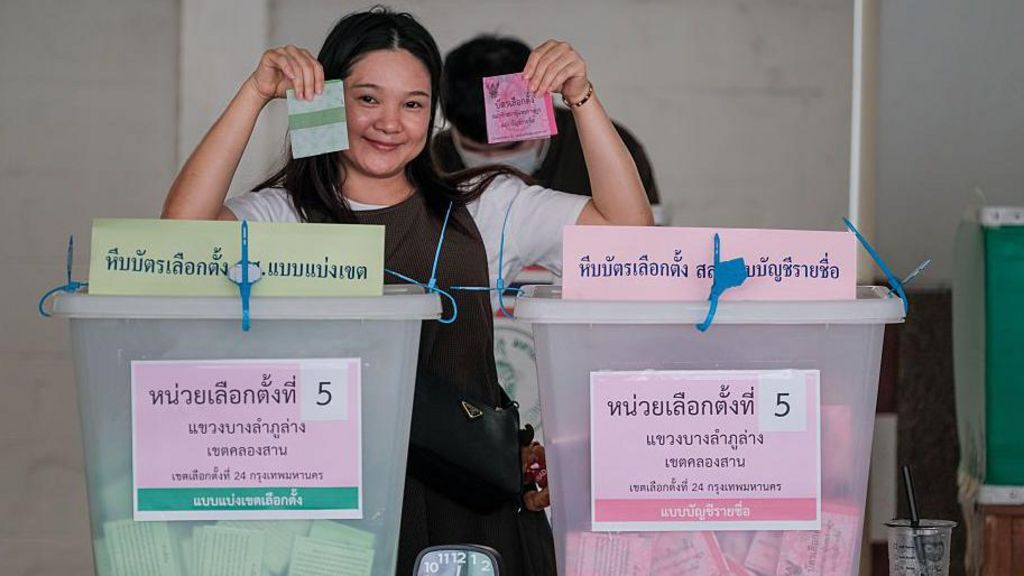
Thailand stands at a critical political juncture as citizens cast their ballots in a snap election triggered by the collapse of successive coalition governments. This marks the nation’s third premiership transition within as many years, reflecting profound political instability.
The electoral landscape mirrors the 2023 contest, pitting progressive reformers from the People’s Party against the conservative establishment led by incumbent Prime Minister Anutin Charnavirakul. Despite previous electoral victories, reformist factions have faced systematic barriers including parliamentary blockades by military-appointed senators and constitutional court interventions that dissolved predecessor parties.
Prime Minister Anutin has transformed his formerly regional Bhumjaithai (Thai Pride) party into the dominant conservative vehicle, leveraging patriotic sentiment following recent border conflicts with Cambodia. His platform emphasizes preservation of traditional institutions including the monarchy and military.
Complicating the political calculus, the Shinawatra family’s Pheu Thai (For Thais) party—historically dominant through populist policies—faces diminished prospects following accusations of mishandling foreign relations and the imprisonment of patriarch Thaksin Shinawatra. Both major parties have deployed substantial subsidy promises and cash handout proposals to attract voters.
Beyond the immediate electoral contest, citizens simultaneously participate in a constitutional referendum addressing the 2017 charter drafted under military rule. Critics argue this document excessively empowers non-elected entities, particularly the senate, thereby constraining democratic governance.
The economic backdrop remains concerning, with political uncertainty and structural stagnation causing foreign investment hesitation and rising living costs. Voters express particular concern about Thailand’s competitive decline relative to regional neighbors like Vietnam.
Despite leading pre-election polls, the People’s Party faces institutional hurdles even if achieving electoral success. Historical precedent shows two previous reformist iterations dissolved by judicial intervention, with leaders barred from political participation. Similar interventions have affected five Pheu Thai premiers since 2008.
Election results expected by 22:00 local time (15:00 GMT) will likely produce no outright majority, setting the stage for continued political maneuvering and potential extra-electoral interventions that could determine Thailand’s governance direction for years to come.