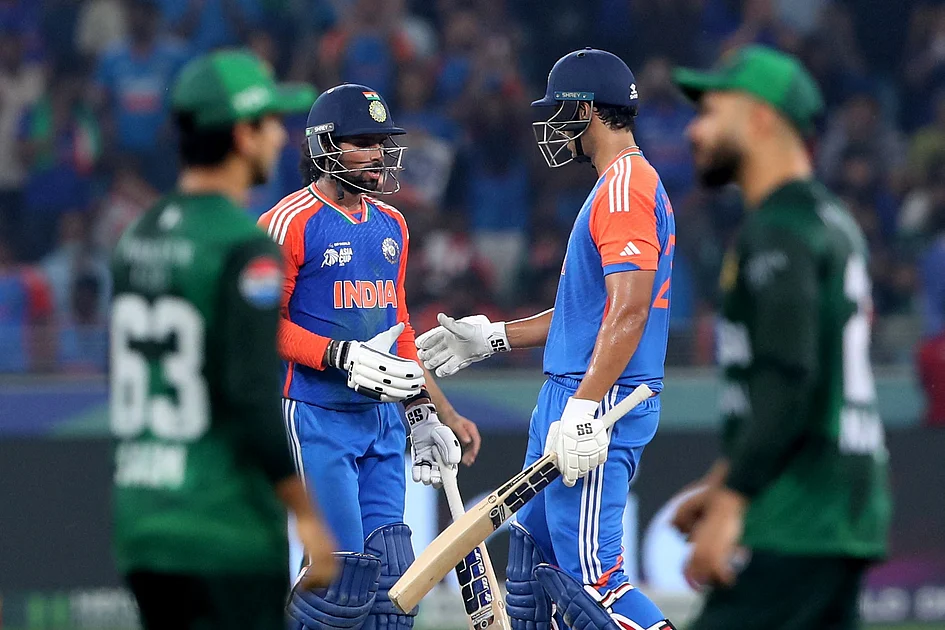
The upcoming Twenty20 World Cup has been plunged into diplomatic controversy following Pakistan’s government-mandated boycott of its highly anticipated match against arch-rival India. The decision, confirmed by Pakistan Prime Minister Shehbaz Sharif, has eliminated what many considered the tournament’s marquee encounter scheduled for February 15th in Colombo.
While the Pakistani government initially approved the national team’s participation in the Sri Lanka-hosted event, it simultaneously announced the withdrawal from the group stage clash against tournament co-host India. Prime Minister Sharif defended the move as an act of solidarity with Bangladesh, which had previously withdrawn from matches in India citing security concerns amid regional political tensions.
Former Australian cricket star Brett Lee expressed disappointment at the development, advocating for sports to remain separate from politics. “Let’s get the politics out of it,” stated Lee during his ‘Mr. Cricket UAE’ podcast. “I really hope the match happens. The whole world watches when India and Pakistan play one another.”
The International Cricket Council (ICC) finds itself navigating complex geopolitical waters. The global governing body had previously dismissed security concerns raised by Bangladesh, referencing independent security assessments. The ICC also rejected requests from both Pakistan and Bangladesh to relocate matches to Sri Lanka, citing logistical impracticalities so close to the tournament’s commencement.
Notably, the Pakistan Cricket Board has remained ambiguous about potential knockout stage scenarios, leaving unanswered whether the team would maintain its boycott stance if facing India in later tournament phases. This development represents the latest chapter in the strained cricketing relations between the South Asian neighbors, whose bilateral series have been suspended since 2012 due to ongoing political tensions.