The high-stakes world of international cricket faces its most significant political crisis in years as Pakistan’s government-backed boycott of the February 15 T20 World Cup match against India exposes deep fractures within the sport’s governance. The decision, taken in solidarity with Bangladesh after their removal from the tournament, threatens to derail cricket’s most lucrative rivalry that generates approximately $400 million per match.
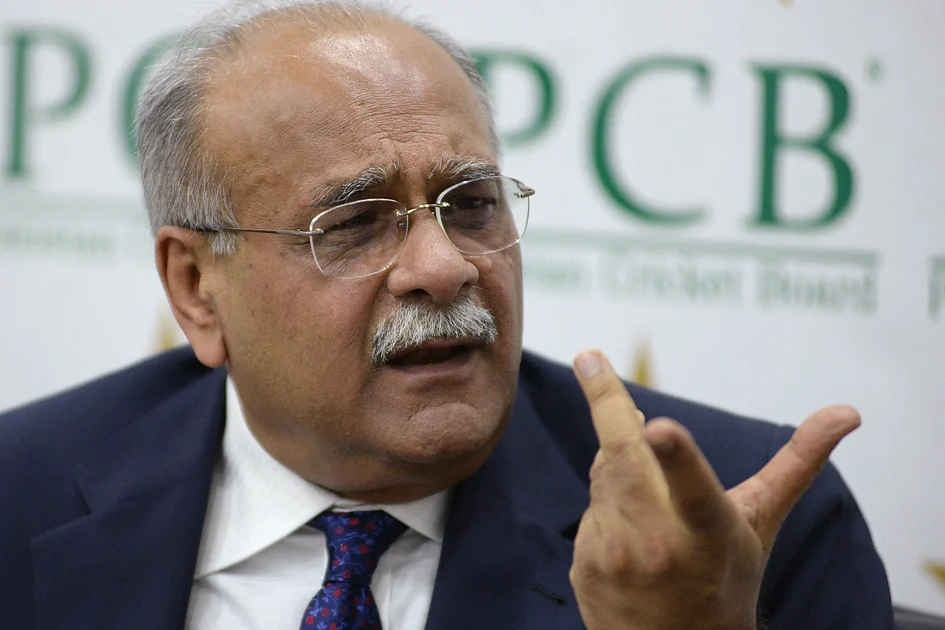
Najam Sethi, former Pakistan Cricket Board chairman with three separate tenures, provided exclusive insight to Khaleej Times regarding the escalating confrontation between Pakistan and the International Cricket Council. According to Sethi, Pakistan’s protest stems from perceived inconsistent application of ICC regulations, particularly referencing the precedent set when India’s matches were relocated to Dubai during the 2025 Champions Trophy due to security concerns.
The veteran administrator revealed startling behind-the-scenes details of cricket diplomacy, including a 2015 incident where Pakistani officials were allegedly humiliated during a trip to Mumbai. “They received us at the airport, brought us to the hotel, and asked us to wait,” Sethi recounted. “Three hours later, they told us the meeting had been cancelled and police were waiting outside to take us back to the airport.”
The current standoff represents a dramatic escalation in cricket’s geopolitical tensions. Pakistan Prime Minister Shehbaz Sharif has publicly endorsed the boycott, characterizing it as a stance against unfair treatment. Sethi suggests informal backchannel negotiations are underway between ICC representatives and Pakistani officials, though he acknowledges the challenging dynamics given the Board of Control for Cricket in India’s considerable influence within international cricket.
With the Olympics potentially welcoming cricket in 2028, Sethi warns that the sport’s governing body risks damaging its credibility through perceived political bias. “The Olympics will never tolerate a politicized ICC,” he emphasized, noting that the timing of this confrontation could jeopardize cricket’s Olympic aspirations.
The situation remains fluid with February 15 looming as a critical deadline. Should Pakistan maintain their position and refuse to play India in potential knockout matches, the ICC faces unprecedented disciplinary decisions that could reshape international cricket’s power structure.