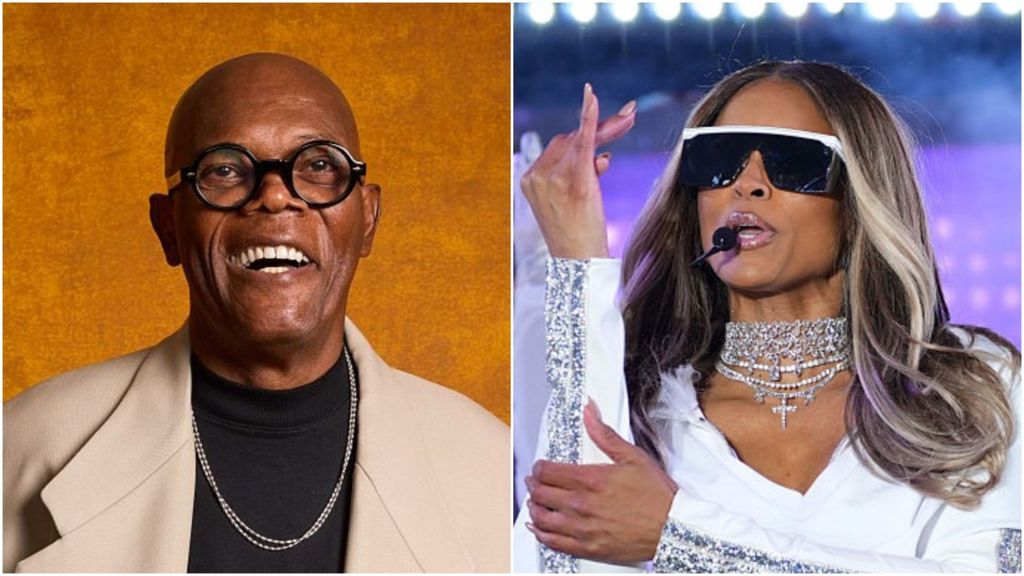
A growing movement of African nations is granting citizenship to prominent African-American celebrities as part of a strategic cultural and economic initiative. Benin, Ghana, Gabon, and Guinea have officially welcomed stars including Samuel L. Jackson, Ciara, Ludacris, Meagan Good, Jonathan Majors, and Stevie Wonder through formal citizenship ceremonies.
This trend represents a modern evolution of historical pan-African connections that date back to Liberia’s founding by freed American slaves in 1822 and the mid-20th century migration of black intellectuals to Ghana. The contemporary movement has been significantly accelerated by DNA testing technology that enables precise ancestral tracing.
African governments frame these citizenship grants as symbolic homecomings that strengthen diaspora ties. Former Ghanaian President Nana Akufo-Addo characterized Stevie Wonder’s naturalization as ‘reaffirming our belief in the enduring spirit of pan-Africanism.’
Beyond cultural significance, the initiative carries substantial economic considerations. Governments anticipate that celebrity endorsements will boost tourism from African-Americans, whose collective economic power continues to grow. Benin President Patrice Talon has specifically invested in cultural heritage sites, including the Marina Project memorial complex in Ouidah, to attract diaspora tourism.
The citizenship programs also serve soft power objectives for nations with limited natural resources. As Beninois lecturer Francis Kpatindé notes, ‘Benin has no diamonds, no petrol, nothing. We just have cotton, the ports and culture.’ Celebrity ambassadors provide global visibility that traditional diplomacy might not achieve.
However, the initiative faces criticism regarding procedural equity. Some citizens express frustration that celebrities appear to bypass cumbersome bureaucratic processes that ordinary applicants must navigate. Ghanaian painter Taufic Suleman questioned why ‘your citizens have to go through vetting’ while celebrities receive expedited processing.
Officials maintain that all applicants follow standard procedures, with Benin’s tourism authority head Sindé Chekete emphasizing that ‘citizenship processing is not influenced by celebrity status.’ Concerns also exist about whether these connections will prove substantive rather than symbolic.
Despite challenges, the movement continues evolving. Benin recently announced a government agency dedicated to nationalizing ‘Afro-descendants,’ though Ghana has temporarily paused applications to improve system accessibility. The long-term success of these cultural reunification efforts may require decades to fully assess, but proponents believe they represent concrete action toward meaningful pan-African unity.