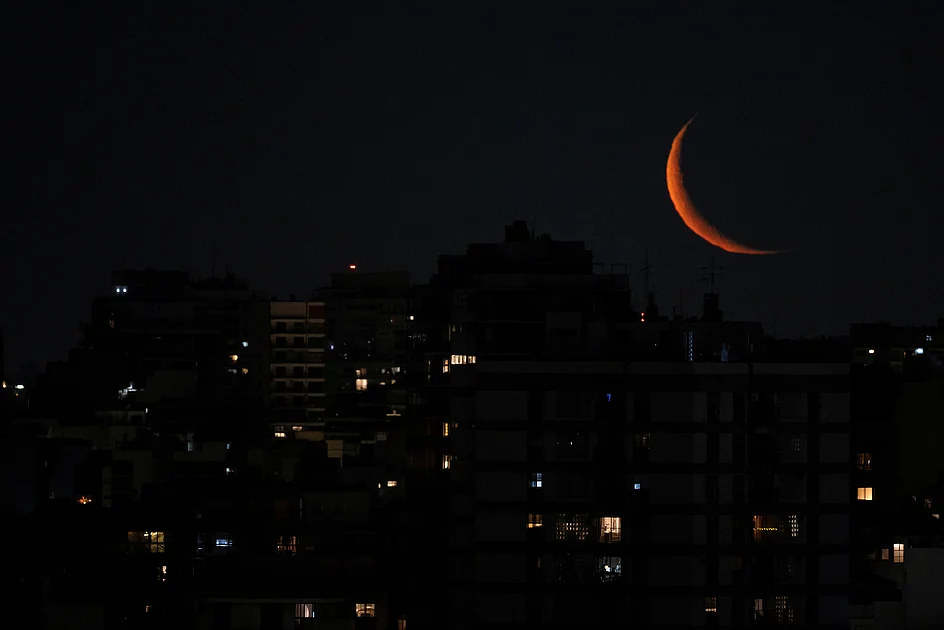
As each Hijri month draws to a close, a unique celestial vigil unfolds across the Muslim world. Religious authorities and trained observers fix their gaze on the western horizon, seeking the first faint sliver of the new crescent moon (Al hilal). This sighting, or lack thereof, determines the commencement of every Islamic month, a system rooted in a lunar calendar where months span 29 or 30 days. The process holds profound significance, particularly for defining the start of sacred periods like Ramadan, Eid Al Fitr, and Hajj. However, a singular, universal approach to moonsighting does not exist, leading to a tapestry of methodologies employed by different nations.
Globally, Muslim communities adhere to one of four primary systems to declare the new month. The first is Local Physical Sighting (Ru’yah), which relies on direct human observation—either by the naked eye or with optical aids—after the Maghrib prayer. Verified sightings are reported to an official religious committee, which then makes a public announcement.
Conversely, some nations prioritize Astronomical Calculations. Scientific data, including conjunction times, moon altitude, and visibility criteria, are used to predict the crescent’s appearance. This method is adopted in regions like Singapore, where persistent cloud cover and limited viewing spaces make physical observation impractical.
A third approach involves following a Standard set by another country, often a nearby Muslim-majority nation or a religious epicenter like Makkah. This is particularly useful for Muslims in areas without established Islamic authorities, such as researchers in Antarctica.
Finally, a Hybrid Approach is gaining traction, merging scientific calculation with physical confirmation. Astronomy determines if sighting is theoretically possible, guiding observers, but an official religious declaration based on actual witness reports remains the final arbiter.
This diversity in practice, influenced by geography, weather, and time zones, explains why Islamic holidays can begin on varying dates across the world. Special committees, often supported by astronomers and advanced technology—as seen with the UAE’s pioneering use of drones and AI in 2025—are tasked with this critical duty, ensuring the lunar calendar continues to guide religious life with accuracy and reverence.