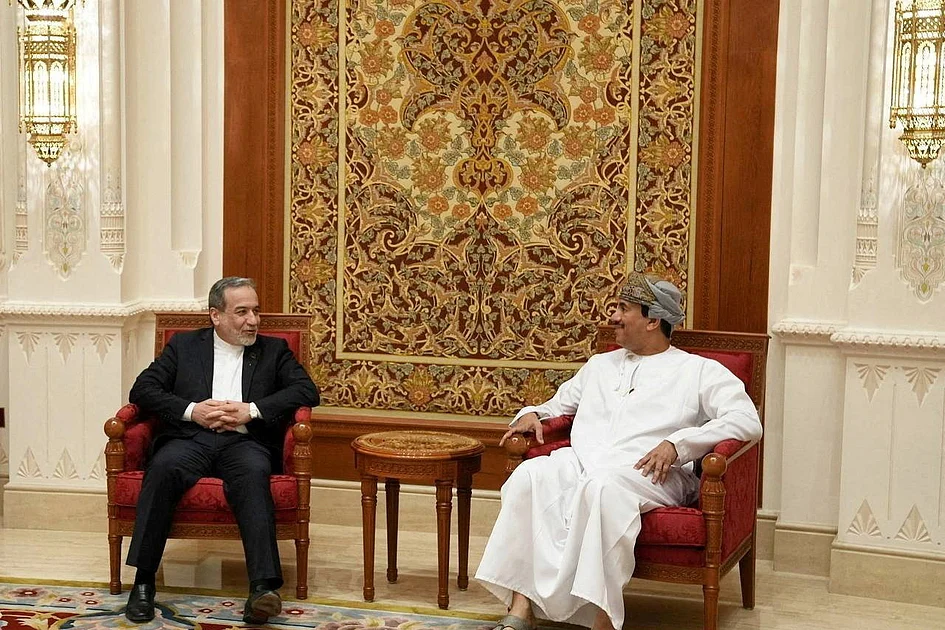
Initial diplomatic engagements between the United States and Iran, facilitated by Oman, have yielded cautious optimism despite fundamental disagreements on key issues. Iranian Foreign Minister Abbas Araqchi characterized the Muscat talks as a “good start” while emphasizing Tehran’s refusal to discuss its ballistic missile program or regional activities.
The negotiations, which included U.S. Special Envoy Steve Witkoff and Presidential advisor Jared Kushner, occurred against a backdrop of heightened military posturing and economic pressure. Simultaneously with the talks, the Trump administration imposed new 25% tariffs targeting countries maintaining commercial ties with Iran, particularly in energy and petrochemical sectors that remain vital to Iran’s economy.
According to diplomatic sources briefed on the discussions, Iran demonstrated flexibility regarding potential limitations on enrichment levels and purity while maintaining its insistence on recognition of uranium enrichment rights. Tehran’s demands reportedly included immediate sanctions relief and the relocation of U.S. military assets from the region.
The fundamental impasse remains Washington’s requirement that Iran cease all enrichment activities on its soil—a position Tehran has consistently rejected while denying any nuclear weapons ambitions. Despite this divergence, both sides acknowledged the talks as serious and expressed willingness to continue discussions, with Omani Foreign Minister Badr al-Busaidi characterizing the dialogue as “very serious.
Regional tensions continue to simmer with Iran displaying advanced ballistic missiles in underground facilities and warning neighboring states that host U.S. bases of potential retaliation. The diplomatic efforts occur alongside significant U.S. naval deployments to the region, creating a complex environment where dialogue and military preparedness proceed simultaneously.