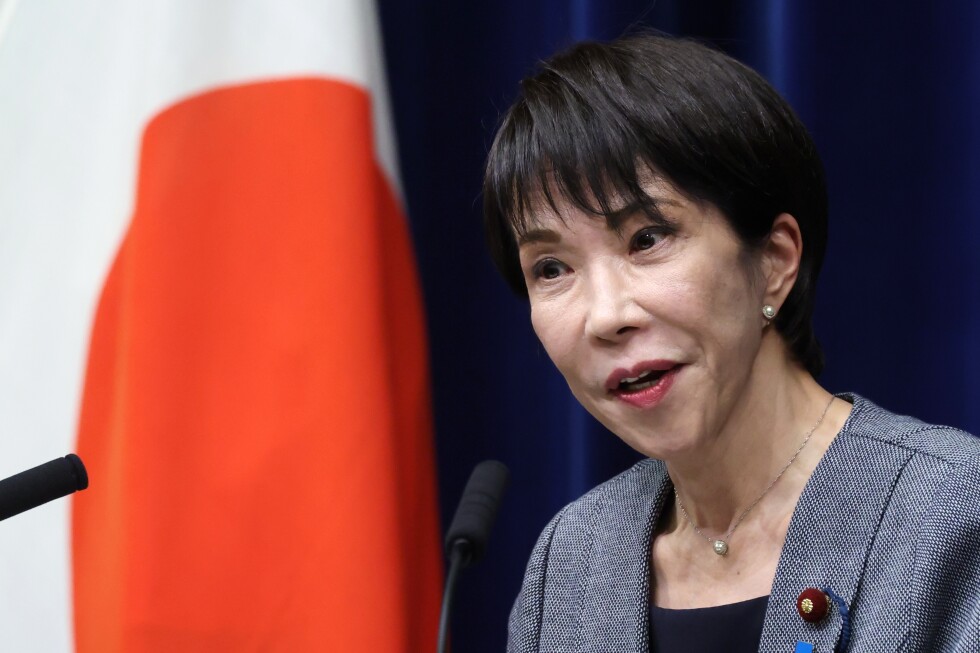
TOKYO — Breaking from Japan’s traditional political mold, Prime Minister Sanae Takaichi has emerged as an unconventional leader whose unique personal brand is revitalizing the nation’s political landscape. The country’s first female premier combines heavy metal fandom, motorcycle enthusiasm, and drumming prowess with a workaholic philosophy that has unexpectedly resonated with younger demographics.
Takaichi’s distinctive approach marks a dramatic departure from the elderly male leadership that has dominated Japanese politics for decades. Her popularity stems from what analysts describe as a ‘charismatic combination’ of tough policymaking and playful personal authenticity. Younger supporters, who affectionately refer to her as ‘Sana,’ closely follow her fashion choices, stationery preferences, and even her favorite snack of steamed pork buns.
This groundswell of support comes at a critical time for her Liberal Democratic Party (LDP), which has governed Japan for most of the past seventy years but recently faced significant challenges. Current polling indicates the LDP is positioned for substantial gains in Sunday’s parliamentary elections, largely attributed to Takaichi’s personal appeal.
The prime minister’s background reveals a journey from middle-class origins in Japan’s ancient capital of Nara. Raised by conservative parents—a police officer mother and machinery company employee father—Takaichi was immersed in prewar moral values from childhood. Her educational path followed traditional conservative patterns, attending Kobe University while living at home despite gaining admission to prestigious Tokyo institutions.
Takaichi’s political identity defies easy categorization. While breaking gender barriers as Japan’s first female leader, she maintains deeply conservative positions including support for male-only imperial succession, opposition to same-sex marriage, and preservation of nineteenth-century surname laws that typically pressure women to abandon their family names. This complex positioning has created tension with feminist groups who view her leadership as a setback for gender equality despite her groundbreaking achievement.
As a protégé of the late Prime Minister Shinzo Abe, Takaichi has embraced and expanded upon his nationalist agenda. She has advocated for enhanced military capabilities, increased defense spending, patriotic education reforms, and traditional family values. Her early weeks in office were marked by hawkish comments regarding potential Chinese military action against Taiwan, representing a shift from Japan’s traditional strategic ambiguity and drawing sharp criticism from Beijing.
The prime minister’s leadership style combines intense discipline with unexpected personal touches. A self-described workaholic who famously declared she would ‘work, work, work, work, work,’ Takaichi has reportedly spent most of her first three months in office either at the official residence or her workplace, with minimal social engagements. Yet she maintains a playful side, known to spontaneously sing elementary school songs with acquaintances when discovering shared childhood connections.
This blend of strict conservatism and personal authenticity has created a political phenomenon that transcends traditional demographic boundaries. As University of Tokyo politics expert Izuru Makihara notes, ‘Takaichi is highly regarded, especially by women and younger generations who strongly feel stuck and hopeless.’ Her ability to connect with these constituencies while advancing a strongly conservative agenda represents a significant evolution in Japanese political leadership.