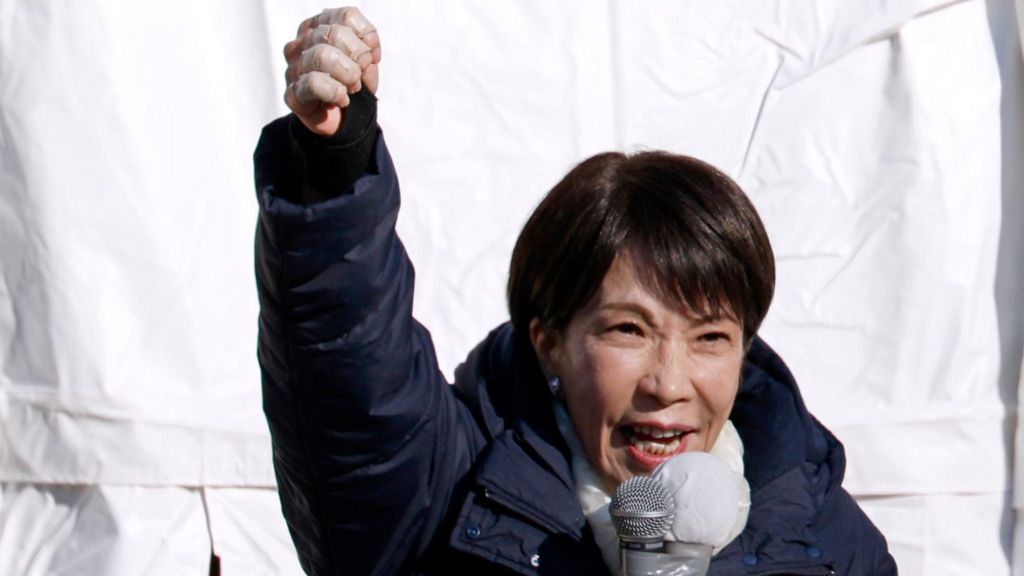
Japan stands at a political crossroads as citizens prepare to cast their votes in Sunday’s snap general election—the nation’s second parliamentary contest in under two years. Prime Minister Sanae Takaichi, Japan’s first female leader, has staked her political future on a high-risk strategy: leveraging her substantial personal popularity to secure a renewed mandate for the long-ruling Liberal Democratic Party (LDP), which suffered devastating losses in the 2024 elections.
Political analysts characterize this move as a calculated gamble reminiscent of her predecessor Shigeru Ishiba’s failed attempt to consolidate power through early elections. However, Takaichi’s approach differs significantly through her unprecedented cultivation of a celebrity-style public persona that has resonated across demographic lines.
Since assuming office last October, Takaichi has masterfully crafted a media presence emphasizing performance over policy. Her memorable “work, work, work” inauguration mantra established an image of relentless energy, while strategically orchestrated moments—including drumming performances with South Korea’s president and high-profile appearances with world leaders—have generated viral social media engagement. This carefully constructed persona has effectively distanced her from the traditionally stagnant image of LDP leadership.
According to polling data from NHK and other major media outlets, Takaichi’s approval ratings have consistently ranged between 55-70%, significantly higher than her predecessors at similar points in their tenure. Jeffrey Hall, lecturer at Kanda University of International Studies, notes that “an atmosphere of positivity surrounds her historic status as Japan’s first female prime minister and her perceived diplomatic successes.”
This popularity extends beyond traditional conservative bases. Takaichi has unexpectedly connected with younger voters through what analysts describe as “sana-katsu”—idol culture-inspired fan engagement—making her fashion choices, including distinctive handbags and pink pens, unlikely zeitgeist items.
However, substantial challenges loom beneath the surface of this popularity. The election timing has drawn criticism for delaying crucial anti-inflation measures and budgetary debates while imposing administrative burdens on municipalities. Additionally, winter weather conditions raise concerns about voter turnout, particularly in snow-affected northern regions.
Takaichi’s hawkish foreign policy stance has simultaneously strengthened her domestic standing while creating international tensions. Her comments suggesting potential military response to Chinese actions toward Taiwan deteriorated relations with Japan’s largest trading partner, triggering reciprocal travel warnings and formal protests. While this position resonates with conservative voters concerned about national defense, it worries younger citizens apprehensive about military spending and potential conflict.
Economic pressures present perhaps the most significant challenge. Despite recent inflation moderation, stagnant wages and a weakened yen continue squeezing households. Soaring rice prices in mid-2025 continue shaping negative perceptions of LDP economic management, though they preceded Takaichi’s administration.
The prime minister has proposed public spending increases, inflation relief, and tax cuts, but critics note these proposals lack specificity. Meanwhile, the opposition remains fragmented despite newly formed alliances, with voters potentially hesitant about untested alternative governments.
As Japan votes, the fundamental question remains whether personal popularity can overcome substantive policy challenges and secure the LDP’s political future.