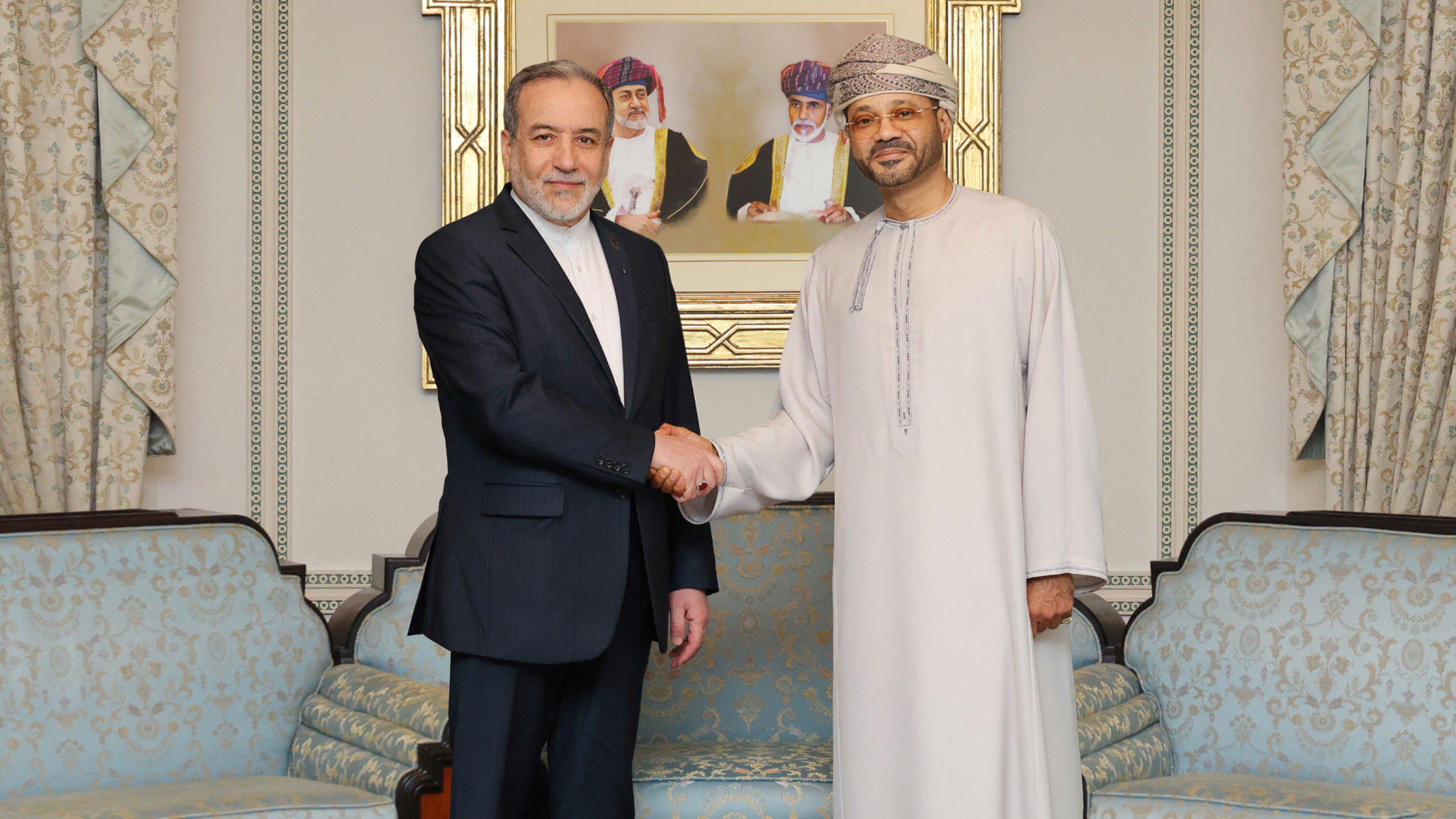
Diplomatic efforts to address nuclear concerns between the United States and Iran initiated on Friday in Muscat, Oman, with both delegations characterizing the preliminary discussions as constructive. Iranian Foreign Minister Abbas Araghchi confirmed the meetings produced a “positive start” and established a mutual understanding for continued dialogue, though significant obstacles remain.
The American delegation, featuring envoys Steve Witkoff and Jared Kushner, engaged with Iranian officials through mediation by Omani Foreign Minister Badr bin Hamad Al Busaidi. The Omani official described the talks as instrumental in clarifying positions and identifying potential pathways for progress.
Despite the diplomatic opening, the atmosphere remains heavily charged. The U.S. immediately announced new sanctions targeting Iran’s oil export capabilities, sanctioning 14 vessels and 15 entities. Concurrently, U.S. aircraft carriers, including the USS Abraham Lincoln, are positioned near Iranian waters.
Military posturing intensified as Iran’s army spokesperson, Brigadier-General Mohammad Akraminia, declared the nation’s readiness for a regional conflict that would encompass all U.S. bases. The White House responded by emphasizing President Trump’s multitude of options beyond diplomacy.
Reports indicate a key concession in the negotiation framework, with the U.S. reportedly agreeing to limit discussions solely to Iran’s nuclear program, dropping previous demands to include ballistic missile development. This shift is attributed to diplomatic interventions by regional powers including Qatar, Saudi Arabia, and Oman.
The U.S. Virtual Embassy in Iran issued an alert urging American citizens to depart immediately, while Israeli Prime Minister Benjamin Netanyahu suggested conditions were building toward the potential downfall of the Iranian regime, highlighting the complex geopolitical stakes surrounding these fragile talks.