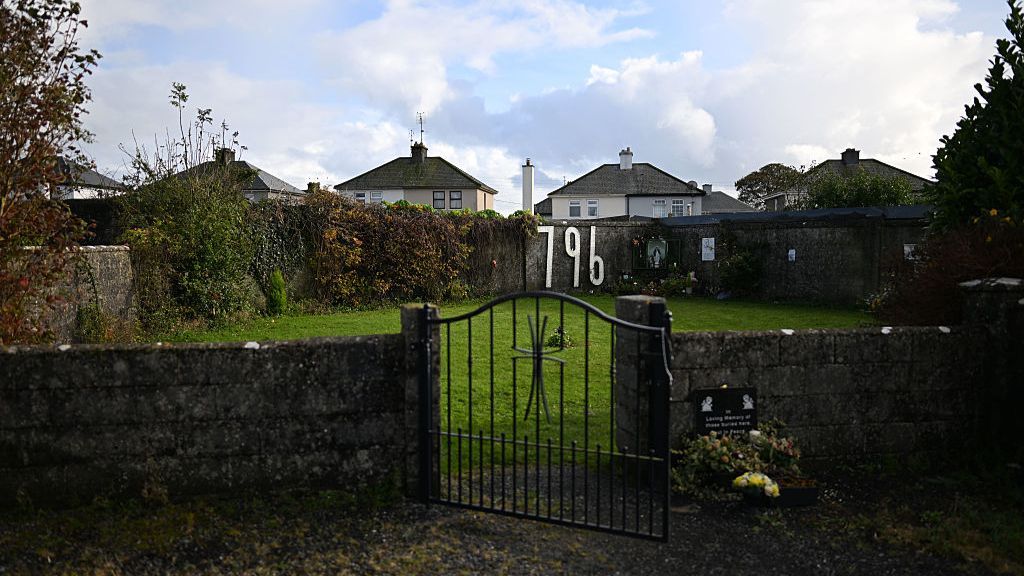
Archaeological excavations at the site of the former Tuam Mother and Baby Home in County Galway have revealed 22 additional sets of infant human remains, bringing the total number recovered to 33. The discovery was made in an area historically documented as a ‘burial ground’ where hand excavation efforts are currently focused.
The institution, which operated from 1925 to 1961, gained international notoriety in 2014 when local historian Catherine Corless uncovered discrepancies between 796 child death certificates and the complete absence of burial records. All remains excavated to date indicate the infants were buried in coffins during the home’s operational period.
The Office of the Director of Authorised Intervention in Tuam (ODAIT) reported that forensic analysis is ongoing. In a significant development, investigators uncovered a large pit measuring over three meters wide that disturbed the burial ground. This pit contained modern building debris consistent with post-institutional era construction.
Excavation progress shows the former yard area has been nearly fully forensically resolved, with work continuing on a well shaft and connected drains. ODAIT has collected 28 DNA samples from relatives of deceased home residents, with over 65 cases currently being processed for eligibility determination. Additional samples are scheduled for collection in coming weeks.
Among the artifacts recovered is a glass hygienic baby feeder, providing tangible connection to the home’s historical operations. The institution was owned by Galway County Council and operated by the Bon Secours Sisters religious order, both of which have issued formal apologies for the mistreatment of mothers and children. The religious order has contributed £2.14 million toward excavation costs.
The comprehensive excavation project is expected to continue until 2027, with subsequent analysis and identification work anticipated to span several additional years.