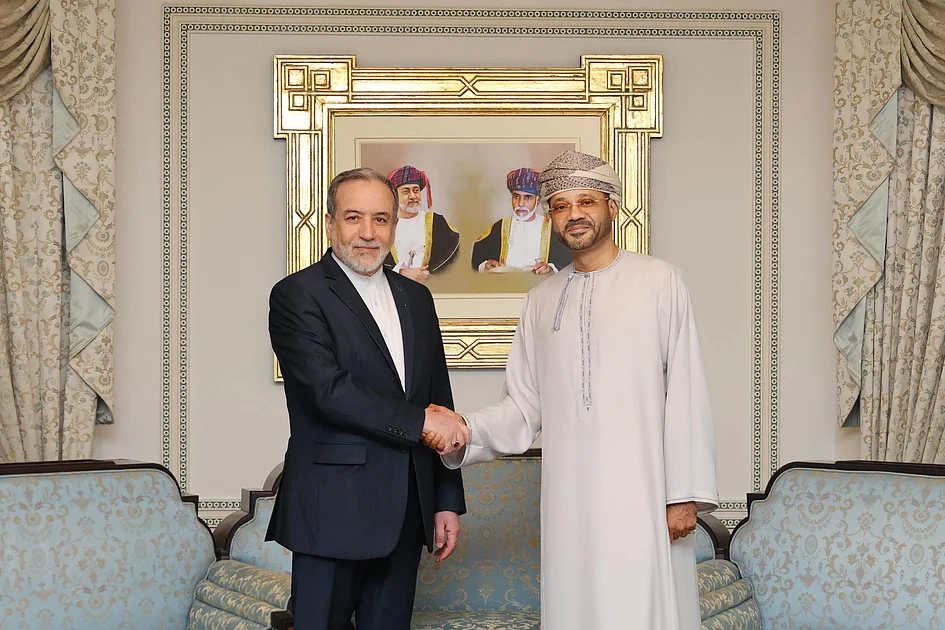
Muscat has emerged as the critical diplomatic arena where United States and Iranian officials commenced high-stakes negotiations on Friday, attempting to bridge substantial divides regarding Tehran’s nuclear ambitions. The Omani-mediated discussions unfold against a backdrop of heightened military posturing and mutual threats that risk triggering broader regional conflict.
Washington’s diplomatic approach, articulated by Secretary of State Marco Rubio, seeks to expand the agenda beyond nuclear matters to encompass Iran’s ballistic missile program, regional proxy networks, and domestic human rights record. This comprehensive stance contrasts sharply with Tehran’s insistence that talks exclusively address nuclear issues, with Foreign Minister Abbas Araqchi emphasizing Iran’s “open eyes and steady memory” regarding past agreements.
The negotiation dynamics feature complex shuttle diplomacy, with US Middle East envoy Steve Witkoff and Presidential advisor Jared Kushner engaging Omani intermediaries before potential direct discussions. This cautious approach reflects the profound mistrust between nations, exacerbated by recent military actions including US strikes on Iranian nuclear targets during June’s joint operations with Israel.
Iran’s strategic position combines defensive rhetoric with demonstrated military capability, recently showcasing its advanced Khorramshahr-4 ballistic missiles in underground facilities. While Tehran maintains an uncompromising stance regarding its missile program as a fundamental defense component, officials indicate potential flexibility regarding uranium enrichment levels and possible consortium arrangements for nuclear materials.
The shadow of former President Trump’s threats looms over negotiations, with current administration officials acknowledging multiple options beyond diplomacy. Iranian responses include warnings to Gulf neighbors hosting US bases that they could become targets in any military confrontation, highlighting the high-risk nature of these discussions.
Regional stakeholders closely monitor developments, with Israel characterizing Iran’s nuclear and missile programs as existential threats. Meanwhile, Iran’s regional influence has diminished following conflicts in Gaza and Syria, potentially affecting its negotiating leverage. The outcome of these talks carries implications for global non-proliferation efforts and Middle East stability, with the international community awaiting evidence of tangible progress toward de-escalation.