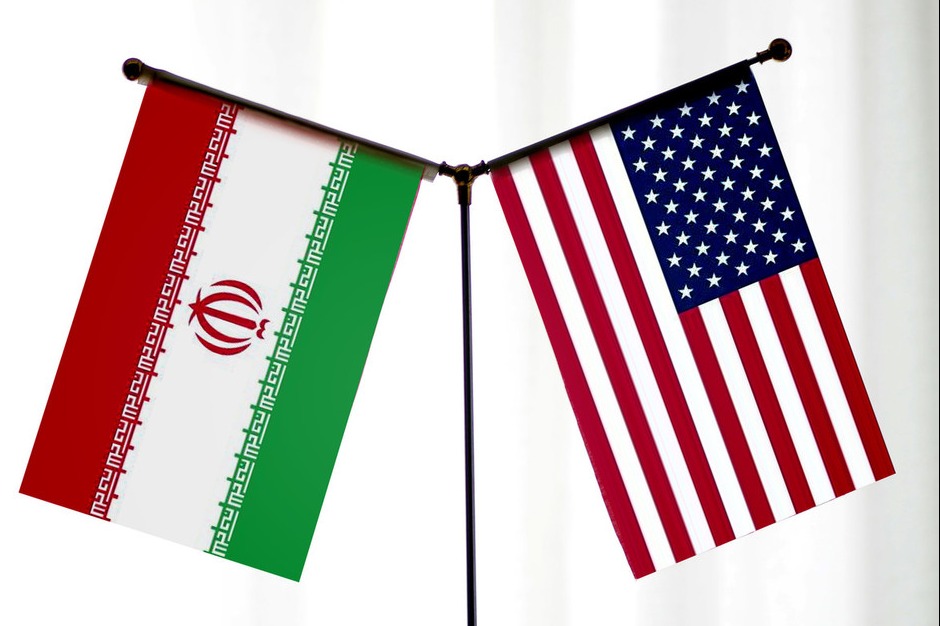
In a significant diplomatic development, high-level delegations from the United States and Iran have initiated formal talks in Muscat, Oman. The discussions mark a crucial step in bilateral relations between the longstanding adversaries, with Oman serving as mediator for these sensitive negotiations.
The talks represent the first substantial diplomatic engagement between the two nations in several years, occurring against a complex geopolitical backdrop of regional tensions and international concerns regarding nuclear proliferation. The Omani capital, known for its neutral diplomatic stance, provides an ideal setting for these delicate negotiations.
While specific agenda items remain confidential, informed sources indicate the discussions will address regional security arrangements, nuclear non-proliferation concerns, and potential sanctions relief frameworks. The participation of senior officials from both governments suggests these talks carry substantial weight and potential for meaningful progress.
International observers are closely monitoring the proceedings, recognizing that successful dialogue could significantly alter security dynamics in the Middle East. The European Union, United Nations, and regional powers have expressed cautious optimism about the potential for diplomatic breakthroughs emerging from these negotiations.
The timing of these talks coincides with broader global diplomatic movements, including recent developments in UN nuclear agreements and shifting international alliances. This context adds considerable importance to the outcomes potentially emerging from the US-Iran discussions in Muscat.