NEW YORK – The escalating prevalence of autism spectrum disorder (ASD) has reached critical levels, with US Health Secretary Robert F. Kennedy Jr. characterizing the situation as “running rampant.” Johns Hopkins University data reveals a staggering 300% surge in autism diagnoses over the past twenty years, while current CDC statistics indicate approximately 1 in 31 American 8-year-olds has received an ASD diagnosis.
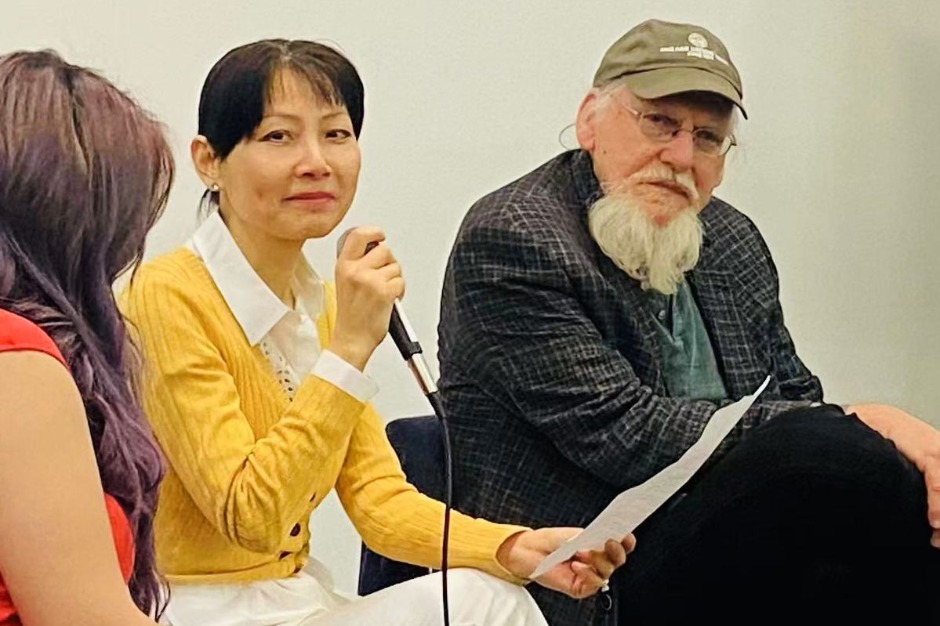
At the forefront of addressing this public health challenge is Dr. Li Xiaohong, Director of the Cellular Neurobiology Laboratory at New York State’s Institute for Basic Research in Developmental Disabilities. Her scientific journey began in China’s Hunan province, where she completed medical training at Xiangya School of Medicine before pursuing advanced physiology studies at the University of Cambridge.
Dr. Li’s research team has made significant breakthroughs in identifying biological markers associated with autism onset. Their discoveries include distinctive neuroinflammatory patterns, altered neural development signaling pathways, and measurable imbalances in neural circuitry. These findings provide critical scientific groundwork for developing earlier diagnostic tools and targeted interventions.
Beyond her laboratory achievements, Dr. Li employs an unconventional approach to autism awareness through artistic expression. As an established poet and composer with five published collections—including ‘Rainbow’ and ‘The Arc of the Wind’—she channels her scientific insights into creative works that foster public understanding.
“Parental devotion, particularly from mothers, represents an enormous sacrifice that deserves recognition,” Dr. Li noted, reflecting on her interactions with families affected by autism. Her artistic endeavors aim to bridge the communication gap experienced by children with ASD, who often struggle to express emotions verbally.
Dr. Li’s dual methodology recognizes that artistic expression can provide alternative communicative pathways for children with autism, potentially reducing frustration-induced depression and aggression. While acknowledging the limitations in fully understanding neurodivergent experiences, she maintains that artistic engagement offers valuable opportunities for connection and confidence-building among ASD children.
This integration of rigorous scientific research with compassionate artistic expression represents an emerging paradigm in neurodevelopmental disorder treatment, emphasizing both biological mechanisms and humanistic approaches to care.