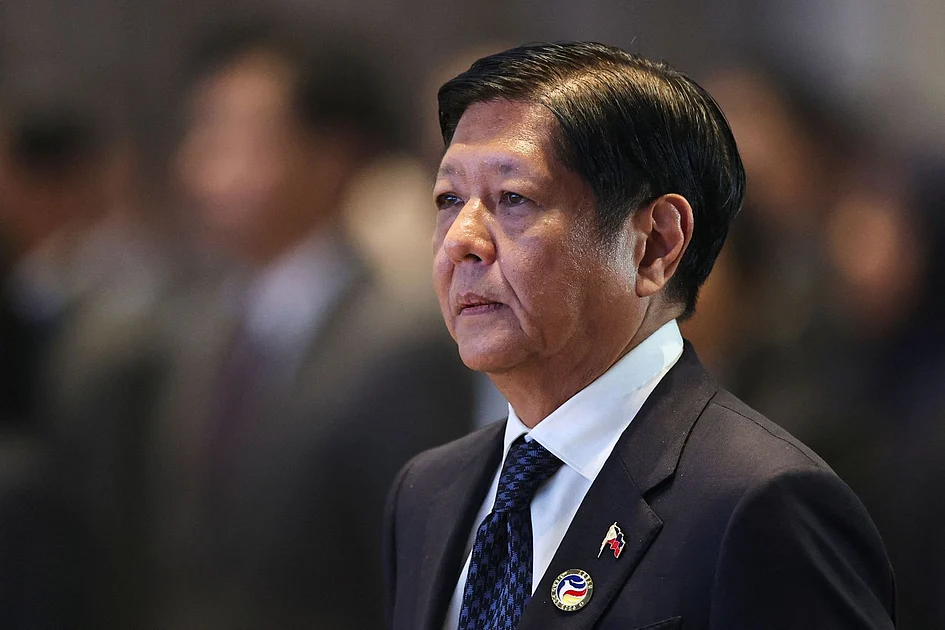
The Philippine Congressional Justice Committee has formally dismissed two impeachment complaints against President Ferdinand Marcos Jr., granting him constitutional immunity from further impeachment proceedings for one year. The 47-member committee determined both petitions were “insufficient in substance,” abruptly terminating efforts to hold the president accountable for alleged involvement in flood control mismanagement and national budget corruption schemes.
Complainants from Bagong Alyansang Makabayan (Bayan) maintain they possess substantial evidence demonstrating systemic corruption, abuse of unprogrammed appropriations, and established kickback mechanisms within the Marcos administration. The group asserts readiness to present testimony from a former public works undersecretary who allegedly handled approximately 8 billion Philippine pesos (500 million UAE dirhams) in kickbacks designated for Marcos and associates.
Legal advocates argue the committee deliberately avoided examining the evidence’s merits, suggesting congressional representatives consciously prevented the process from advancing to trial stage. Despite the dismissal being based on procedural technicalities, Bayan emphasizes this doesn’t render the corruption allegations baseless but rather demonstrates collusion between pro-Marcos legislators and the administration.
The decision now moves to plenary voting, where obtaining the required one-third support from House representatives appears unlikely according to political analysts. The outcome also establishes potential precedents for pending impeachment proceedings against Vice President Sara Duterte, with observers watching for possible double standards in treatment.
Anti-corruption movements vow to continue their campaign, with nationwide protests planned for February 25th—the 40th anniversary of the People Power uprising that originally ousted the Marcos family from power in 1986.