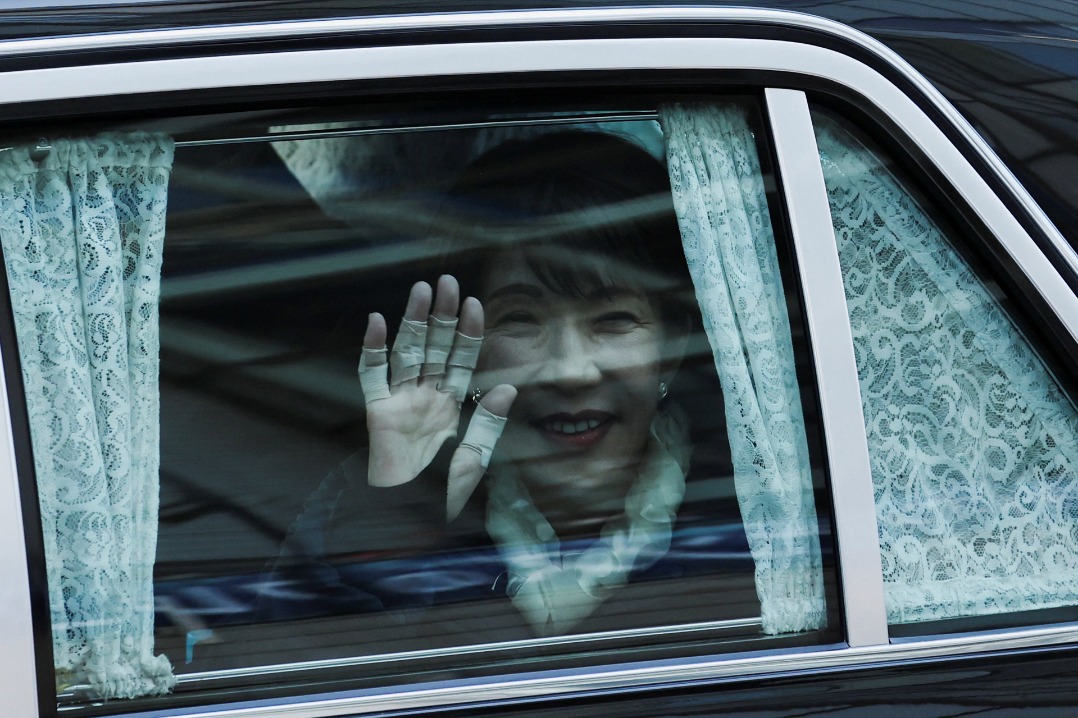
Japanese Prime Minister Sanae Takaichi faces intensifying criticism from opposition leaders and educational experts regarding the controversial scheduling of the nation’s upcoming general election. The February 6th vote marks the first House of Representatives election held during this month since 1990, directly coinciding with Japan’s critical university entrance examination period.
The political controversy emerged after Takaichi’s sudden dissolution of the lower house last month, forcing the election into the heart of exam season. While the Prime Minister has encouraged students to utilize early voting options, opposition figures have condemned the timing as profoundly disruptive to young voters.
Toshiko Takeya, a prominent leader of the Komeito party, characterized the scheduling decision as “extremely unreasonable,” emphasizing the excessive burden it places on examination candidates. The criticism extends beyond practical concerns to fundamental democratic principles, as Yoshihiko Noda, co-leader of the Centrist Reform Alliance, warned that the timing could effectively disenfranchise youth eager to participate in shaping their future through the ballot box.
Additional concerns have surfaced regarding potential noise pollution from political campaigning near educational institutions and examination venues. Kaori Suetomi, Professor of Education Administration at Nihon University, noted that voluntary restraint by individual candidates would likely prove insufficient to protect students during their crucial examinations.
The convergence of electoral and academic calendars has highlighted systemic issues in Japan’s electoral process, prompting calls for comprehensive review of legal frameworks governing election timing and campaign practices to better accommodate educational commitments and youth participation.