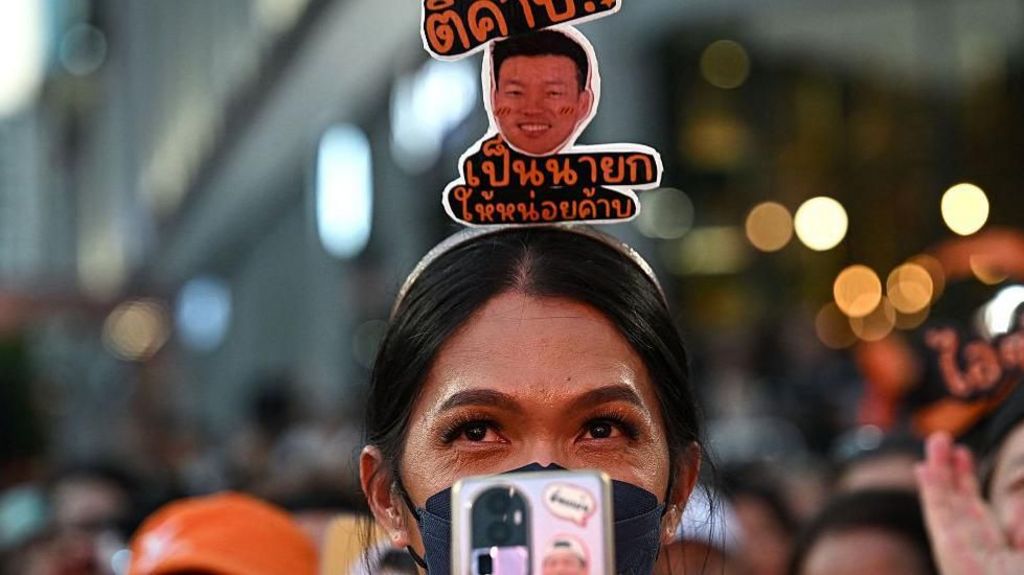
In Thailand’s heated political landscape, a youthful reform movement is capturing national attention through unconventional methods. Suttasitt “Macky” Pottasak, a former television producer turned politician, represents the new face of the People’s Party—a progressive force determined to reshape Thai politics. Abandoning his career in Bangkok, Macky successfully secured a rural constituency near Nakhon Ratchasima, defeating an established political dynasty through grassroots campaigning and innovative social media outreach.
The 38-year-old lawmaker has adopted symbolism from the Japanese anime series One Piece, particularly the character Luffy’s hat and flag, which became emblems during recent youth protests across Asia. His daily light-hearted policy videos generate millions of views, reflecting his philosophy that “past generations made politics boring—I want to make it fun.”
This approach resonates with many Thais, as opinion polls consistently show the People’s Party leading rivals ahead of Sunday’s critical election. However, Thailand’s recent political history suggests electoral victory alone doesn’t guarantee governance. In 2023, the progressive Move Forward party achieved an unexpected win only to be blocked from forming a government by unelected institutions, subsequently dissolved by constitutional court ruling, and its leaders banned from politics.
The current political climate follows three tumultuous years marked by short-lived coalition governments, two prime ministers dismissed by judicial intervention, and a border conflict with Cambodia. The People’s Party emerges as the reincarnation of previous reform movements, maintaining their ambitious agenda while learning from past setbacks.
At rallies across the country, the party’s new leader Natthaphong Ruengpanyawut—a former software engineer—draws rock star-like admiration from supporters. The energy reflects widespread desire for change, particularly among younger voters facing economic uncertainty.
Throughout rural constituencies like Macky’s, economic distress is palpable. Village head La-or Kohsantea describes how young people must leave to find work, noting “no-one has helped us with the poverty problem.” Thailand suffers from among Asia’s highest household debt levels, with annual GDP growth below 2%—significantly trailing neighboring economies.
Kritsana Lohsantea, a 28-year-old factory worker, represents this generation’s anxieties. With limited education and facing factory closures, he seeks assistance securing social security benefits. Meanwhile, demographic challenges emerge as Thailand’s population declines, with births dropping 10% last year—the world’s sharpest decrease. Macky proposes localized training programs and improved digital systems to address elder care shortages as younger generations migrate from rural areas.
The People’s Party’s platform emphasizes constitutional reform, seeking to reduce the power of unelected institutions like the constitutional court that can veto elected governments. Their agenda includes bureaucratic modernization, educational reform, and curbing military and corporate influence. A constitutional referendum will coincide with the election.
Their main rivals—Prime Minister Anutin Charnvirakul’s nationalist Bhumjaithai party and the populist Pheu Thai party—focus on immediate gratification policies. Anutin emphasizes national security credentials from the Cambodia border conflict and military support, while Pheu Thai promises daily millionaire creations through national lotteries. Both offer subsidies and cash handouts that economists like Thammasat University’s Professor Apichat Satitniramai criticize as “painkillers” that avoid addressing structural issues.
The People’s Party traces its origins to 2017 when charismatic entrepreneur Thanathorn Juangroongruangkit founded Future Forward, immediately perceived as threatening establishment interests. Despite military opposition and judicial interventions that banned Thanathorn from politics and dissolved successive iterations of the movement, support has grown substantially.
Current polls suggest the People’s Party may gain more seats than in previous elections, though likely falling short of parliamentary majority. Crucially, the unelected senate can no longer participate in government formation. However, conservative institutions have already initiated challenges against 44 party figures through corruption allegations related to their stance on lese majeste law reform, potentially disqualifying them from office.
As Thanathorn told the BBC: “They are afraid of change. They want tomorrow to be just like yesterday. They think dissolving our parties, banning our leaders would make us smaller. In fact, we are getting bigger.”
Even if successful electorally, the party would face significant governance constraints, making constitutional reform their paramount priority. They find unlikely allies in Pheu Thai, which also suffered from judicial interventions against its elected leaders.
Chulalongkorn University political scientist Siripan Nogsuan Sawasdee observes: “If Thailand was a functional democracy, none of this would have happened. Elections only determine representatives in the lower house. Who governs is determined by elite networks and unelected institutions that veto the voters’ will.”
The upcoming election thus represents not merely a political contest but a fundamental test of whether Thailand’s democratic institutions can reflect the popular will against entrenched establishment resistance.