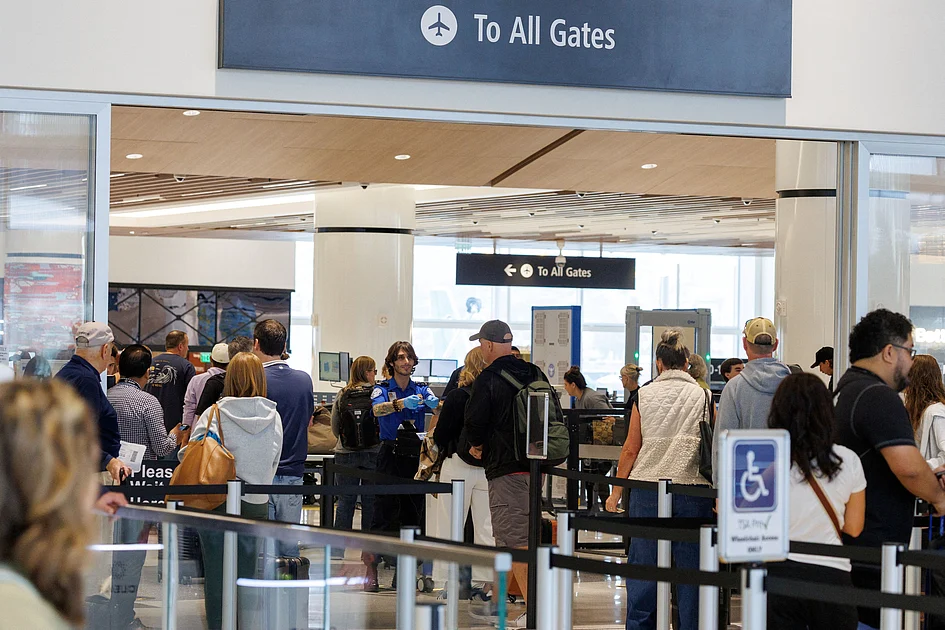
The Transportation Security Administration (TSA) has initiated a significant policy shift, now mandating a $45 processing fee for air passengers lacking federally compliant identification. This measure, effective since February 1, 2026, targets the approximately 6% of daily travelers who continue to present identification that fails to meet enhanced security standards established under the REAL ID Act.
TSA Deputy Administrator Ha Nguyen McNeil disclosed during a U.S. House of Representatives hearing that compliance rates have shown modest improvement, rising from 93% to 94% since enforcement began in May 2025. The agency previously issued warnings and conducted enhanced screenings before implementing the financial penalty.
The substantial fee increase from the previous $18 charge reflects a comprehensive reassessment of processing costs associated with identity verification protocols. McNeil emphasized that the fee serves dual purposes: covering administrative expenses and maintaining aviation security by ensuring all passengers present adequate identification documentation.
Travelers should note that the $45 fee provides airport access for a 10-day period and is nonrefundable. Those arriving at security checkpoints without prepayment may experience additional processing delays of up to 30 minutes. Exemptions apply to passengers under 18 years old, who are not required to present identification at airport checkpoints.
Acceptable identification formats include state-issued driver’s licenses meeting REAL ID standards, valid passports from any government, permanent resident cards, Department of Defense identification, and Department of Homeland Security trusted traveler cards.
The REAL ID standards originate from 2005 legislation implementing the 9/11 Commission’s recommendation that the federal government establish minimum security standards for identification documents. Despite congressional approval, full enforcement has experienced multiple delays over the past two decades. These enhanced identification standards are also required for access to federal buildings and secure facilities.