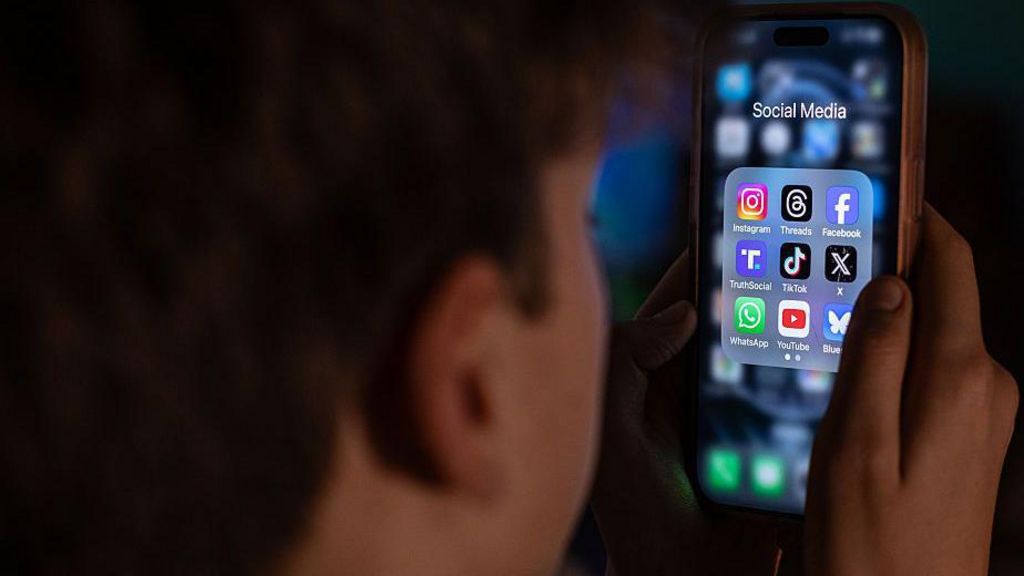
India is currently evaluating the potential implementation of social media restrictions for users under 16, following regulatory moves by Australia and several European nations. This consideration has gained traction among ministers from multiple Indian states who are examining the feasibility of such measures within the country’s legal and digital framework.
The discussion gained official momentum when India’s Economic Survey, an annual policy document prepared by the chief economic adviser’s team, recommended age-based limitations for social media access by children. Although non-binding, these recommendations often influence government policy decisions.
Several states have taken proactive steps toward regulation. Andhra Pradesh’s government has established a ministerial group to study international regulatory models and has initiated consultations with major technology companies including Meta, X, Google, and ShareChat. The state’s IT Minister Nara Lokesh expressed concern about children’s ‘relentless usage’ of social media platforms and its detrimental effects on education and attention spans.
Other states including Goa and Karnataka have joined the conversation. Karnataka’s IT Minister Priyank Kharge referenced a ‘digital detox’ program involving 300,000 students and 100,000 teachers developed in partnership with Meta, though specific legislative proposals remain undefined.
However, digital rights experts highlight significant implementation challenges. Activist Nikhil Pahwa notes the complexity of enforcing geographic-based restrictions due to unreliable IP address location data and potential conflicts between states with differing regulations. Age verification presents another substantial hurdle, as Prateek Waghre of Tech Global Institute explains that compliance would require universal verification across internet services.
The human dimension adds complexity to the debate. Some parents welcome potential restrictions, while others like Delhi resident Jitender Yadav argue that the core issue lies with parental engagement patterns. ‘Unless parents give enough time to their children or learn to keep them creatively engaged,’ Yadav notes, ‘children will always find ways to bypass such bans.’
This development places India within a growing global movement addressing youth social media usage, with Australia implementing the world’s first comprehensive ban for under-16s and France considering restrictions for under-15s.