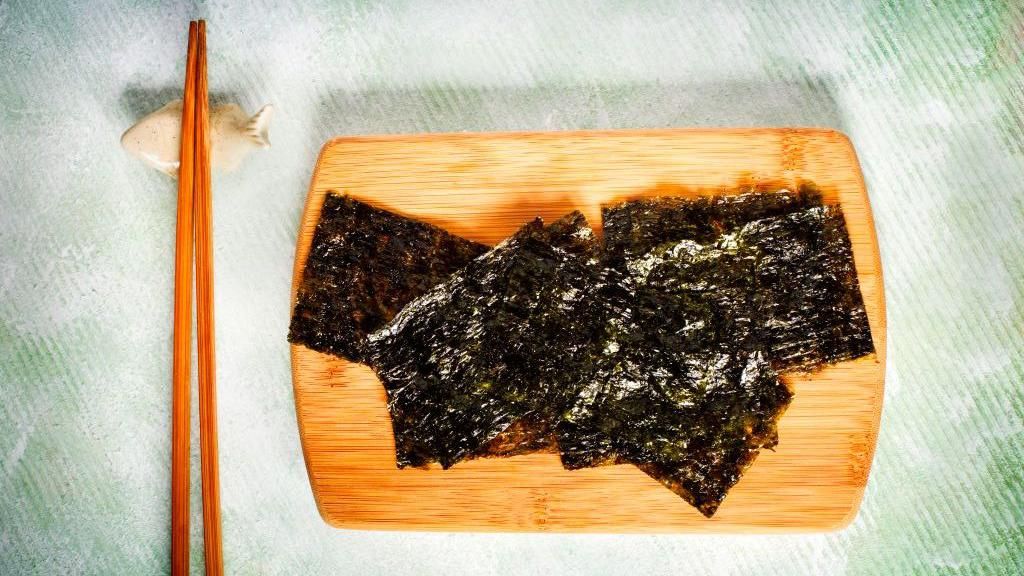
SEOUL – The humble gim, a crispy dried seaweed staple of Korean cuisine, has transformed into a billion-dollar global commodity, creating both economic opportunity and domestic consumer anxiety as prices reach unprecedented levels.
For 47 years, vendor Lee Hyang-ran has witnessed the evolution of gim from a local dietary essential to an international sensation. ‘Western visitors once considered this black, paper-like snack peculiar,’ the veteran merchant remarked from her Seoul market stall. ‘Now they seek it out specifically.’
South Korea dominates the global gim market, exporting $1.13 billion worth of dried seaweed in 2025 according to the Korea Maritime Institute. This remarkable figure represents a steady upward trajectory fueled by the worldwide Korean cultural wave. The product has earned the nickname ‘black semiconductor’ in reference to Korea’s technological dominance, highlighting its economic significance.
This international appetite comes with domestic consequences. Gim prices have surged approximately 50% within a year, breaking historical records. The standard sheet that cost 100 won ($0.06) in 2024 now exceeds 150 won, with premium products reaching 350 won per sheet.
Consumers like Kim Jaela, who traditionally purchased in bulk, are reconsidering their buying habits. ‘I noticed the price increase immediately when shopping online,’ she explained. ‘If prices remain elevated, I’ll need to adjust my purchasing patterns significantly.’
The global fascination stems from cultural phenomena including K-pop and television dramas that showcase Korean cuisine. American supermarket chain Trader Joe’s experienced a viral sensation with their gimbap (seaweed-wrapped rice rolls) in 2023, with products disappearing from shelves nationwide shortly after launch.
International visitors recognize both the similarities and distinctions between gim and Japanese nori. ‘Gim is lighter, crispier, and typically grilled with sesame oil and salt,’ noted Miki, a Japanese tourist. ‘The flavor profile is distinctly different.’
Professor Lee Eunhee of Inha University’s consumer studies department observes: ‘Growing global familiarity with gim from Asian to Western markets has increased international demand, which consequently drives up domestic prices.’
The production side faces its own challenges. Kim Namin, who operates a family-owned processing factory in Wando, acknowledges the supply-demand imbalance. ‘There aren’t enough gim factories to meet rising demand,’ he stated, noting his family’s consideration of operational expansion. He emphasized gim’s price sensitivity in the domestic market, where even minor increases generate consumer resistance.
Multiple factors contribute to the price surge, including overall inflation, rising labor costs, reduced overseas production, and fundamentally, unprecedented global demand. In response, government agencies and corporations are implementing countermeasures. The Ministry of Oceans and Fisheries is monitoring the situation closely, while companies like Pulmone plan to establish land-based seaweed research centers enabling year-round production.
Despite domestic concerns, the international market continues to thrive. Lee Hyang-ran reports unprecedented sales: ‘Gim sells like hotcakes, especially varieties for making gimbap. I’m delighted that Korean gim has gained such popularity.’