Newly unsealed court documents from the U.S. Department of Justice reveal convicted sex offender Jeffrey Epstein was actively monitoring Saudi Arabia’s 2017 political upheaval, maintaining communications with Gulf elites and allegedly leveraging connections to the highest levels of Saudi leadership.
The documents contain a November 4, 2017 email exchange where an unidentified correspondent advised Epstein to ‘keep close eye on what is going on in Saudi right now.’ Epstein specifically inquired whether the reference concerned ‘the missile or the anti corruption,’ receiving confirmation it related to the latter. This correspondence occurred immediately preceding Crown Prince Mohammed bin Salman’s unprecedented anti-corruption campaign that detained numerous royals and business figures at Riyadh’s Ritz-Carlton hotel.
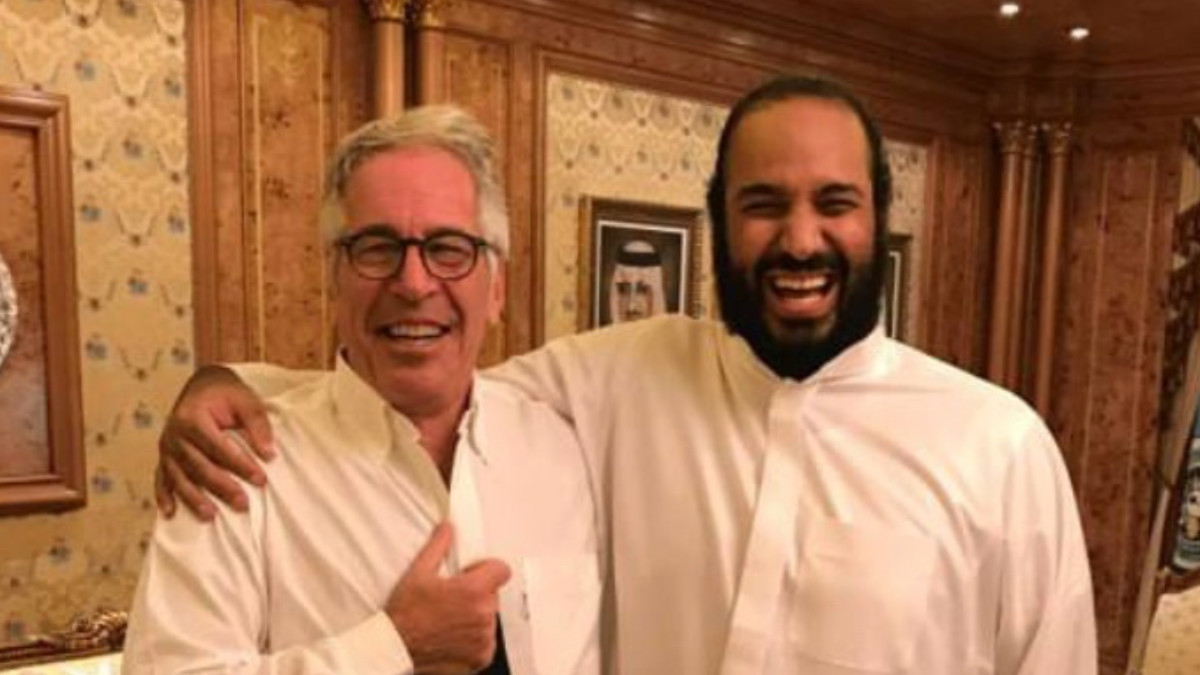
Evidence suggests Epstein cultivated relationships within Saudi leadership circles. In a March 2017 email exchange with former New York Times reporter Thomas Landon Jr., Epstein appeared to reference direct access to the Crown Prince (referred to as ‘bin salman’) while attempting to facilitate connections between Landon and Saudi investment officials. Photographic evidence within the document trove shows Epstein smiling alongside the Saudi leader.
The documents further reveal Epstein’s brokerage of high-level meetings between Middle Eastern power players, including a previously undisclosed 2018 encounter between former Israeli Prime Minister Ehud Barak and former Qatari Prime Minister Hamad bin Jassim bin Jaber al-Thani.
Among Gulf figures, Dubai Ports World CEO Sultan Ahmed bin Sulayem appears most frequently in Epstein’s communications. Their exchanges include discussions ranging from religious commentary to disturbing references to ‘a fresh 100% female Russian’ on Sulayem’s yacht.
Epstein’s communications demonstrate particular interest in Saudi political dynamics. In October 2016, he provided Landon with analysis of Saudi royal family structure, comparing its complexity to U.S. government branches. He controversially asserted that social reforms like women’s driving rights were driven by Western pressure rather than domestic demand, stating ‘It is the americans that are demanding women drive. not the saudis.’
These revelations emerge amid increased scrutiny of Gulf rivalries, particularly UAE-Saudi competition in the Red Sea region where DP World’s operations have gained strategic importance.