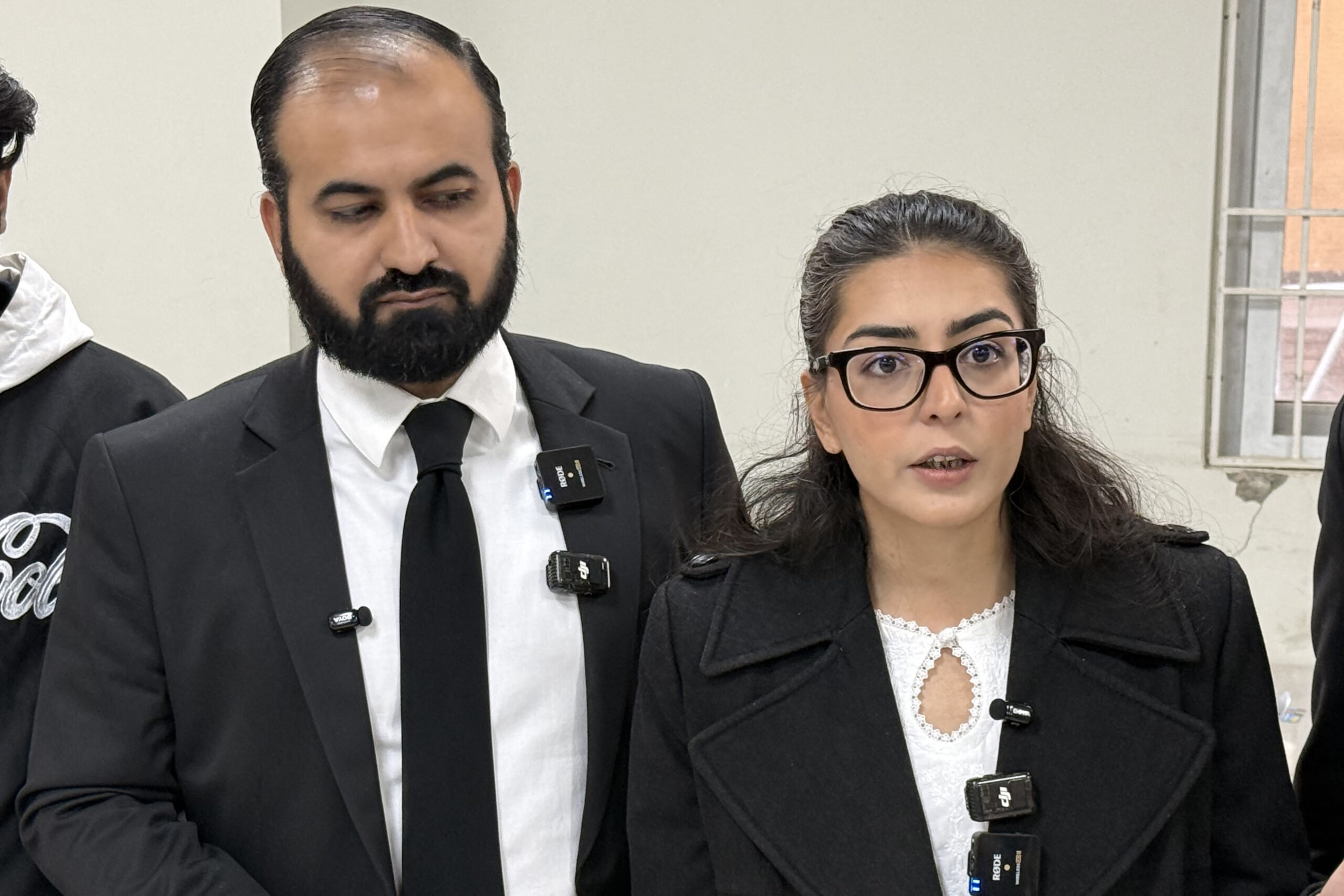
Pakistan’s judicial system faces mounting international scrutiny following the unprecedented 17-year prison sentencing of two human rights lawyers over social media posts. Imaan Mazari, 32, and her spouse Hadi Ali Chattha, 33, were convicted under the country’s controversial Prevention of Electronic Crimes Act (PECA) for expressing solidarity with Baloch and Pashtun activists on platform X.
The case has drawn sharp condemnation from human rights organizations and former government officials who describe it as part of a systematic crackdown on dissent. According to Amnesty International, the trial proceeded with ‘unusual haste,’ denying the defendants basic legal protections including access to counsel, family visitation rights, and the opportunity to present exculpatory evidence.
Dr. Shireen Mazari, Imaan’s mother and former Federal Human Rights Minister, characterized the proceedings as ‘obviously pre-fabricated,’ noting that her daughter had been denied food and water during detention. The sentencing includes five years for ‘glorification of an offence,’ ten years for ‘cyberterrorism,’ and two years for disseminating ‘false information.’
This case emerges against a backdrop of concerning constitutional amendments that have significantly altered Pakistan’s judicial landscape. The 26th Amendment (October 2024) transferred Supreme Court chief justice selection authority to parliamentary committees, while the 27th Amendment (January 2025) restructured the Judicial Commission to include parliamentary members, effectively marginalizing judicial representatives.
Notably, the recent amendments granted lifelong immunity from prosecution to General Asim Munir, Chief of Defence Forces, while expanding his authority across all military branches. The United Nations Human Rights Committee has condemned these changes as attacks on judicial independence.
The Mazari-Chattha case exemplifies a broader pattern of suppression, with at least nine journalists targeted under PECA legislation in early 2025 alone. Shahzad Akbar, former government adviser now in exile, highlighted the disproportionate nature of the sentencing: ‘A tweet and peaceful criticism of human rights violations result in 17-year sentence,’ compared to approximately 14 years for manslaughter convictions.
As international pressure mounts, the defendants are expected to appeal their convictions while rights organizations demand immediate judicial reforms to protect freedom of expression and restore judicial independence in Pakistan.