In a landmark move to strengthen economic cooperation, Turkey and Saudi Arabia have finalized a major solar energy investment agreement during President Recep Tayyip Erdogan’s official visit to Riyadh. The deal, signed by Turkish Energy Minister Alparslan Bayraktar and Saudi Energy Minister Prince Abdulaziz bin Salman Al Saud, establishes a framework for substantial renewable energy collaboration between the two regional powers.
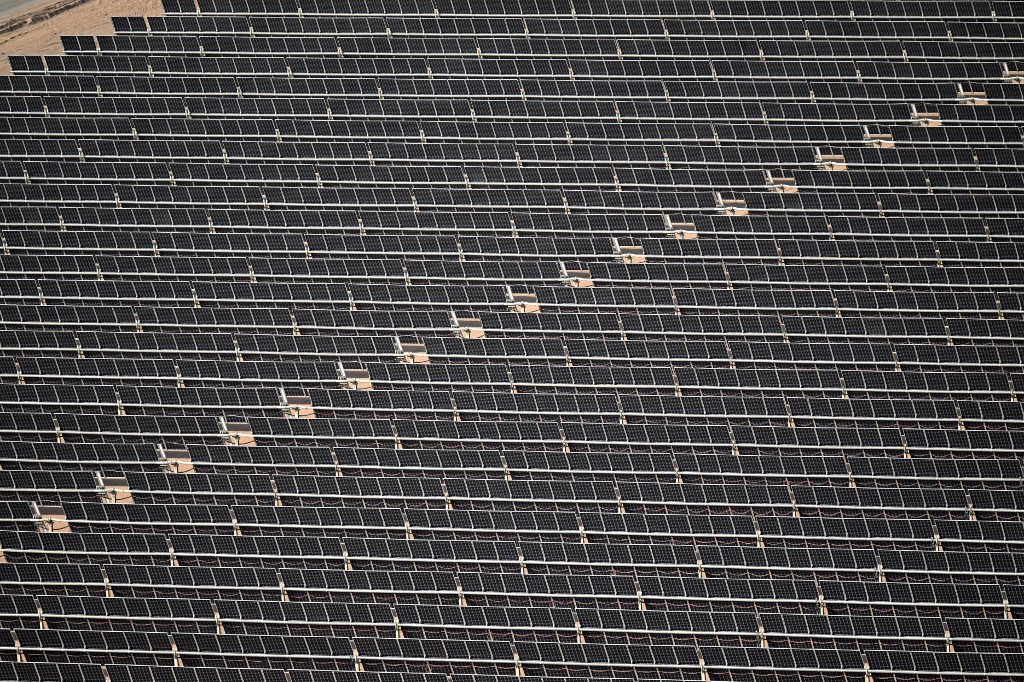
The agreement initiates the first phase of a comprehensive 5,000-megawatt solar project, with an initial commitment to develop 2,000 megawatts of solar capacity across two strategic locations in Turkey’s Anatolia region. The solar installations will be constructed in the provinces of Sivas and Karaman, representing approximately $2 billion in foreign direct investment. Turkish officials confirmed that funding will be sourced through a combination of Saudi investment and international financial institutions.
This partnership achieves a historic milestone in energy economics, securing electricity at an unprecedented rate of 1.995 euro cents per kilowatt-hour for the Taseli project in Karaman. Minister Bayraktar emphasized that this represents the most competitive electricity price ever secured in Turkey, with the fixed-rate contract extending for approximately 25 years. The guaranteed pricing structure will directly benefit Turkish consumers through reduced energy costs.
The initial phase alone will generate sufficient electricity to power approximately 2.1 million households, significantly contributing to Turkey’s renewable energy objectives. Beyond competitive tenders, Turkish officials indicated they will pursue additional renewable investments through intergovernmental agreements, potentially expanding into innovative energy storage solutions and floating solar projects in subsequent phases.
This collaboration supports Turkey’s ambitious national energy strategy, which targets 120,000 megawatts of installed solar and wind capacity by 2035. Project timelines indicate construction will commence in 2027, with the first phase becoming fully operational by 2029, and the remaining capacity expected to come online by 2028-2029.