The expiration of the New START Treaty on Thursday marks a pivotal moment in nuclear arms control, eliminating all constraints on the world’s two largest atomic arsenals for the first time in over fifty years. This development raises profound concerns about potential uncontrolled nuclear proliferation and heightened global instability.
Russian President Vladimir Putin has expressed willingness to maintain the treaty’s limitations for an additional year, contingent on reciprocal action from Washington. However, the Trump administration has remained noncommittal regarding extension. A White House official, speaking anonymously, indicated President Trump’s interest in maintaining nuclear limits while involving China in future arms control negotiations, though emphasizing any decision would be made on “his own timeline.”
Beijing has consistently rejected limitations on its expanding nuclear arsenal. Kremlin spokesman Dmitry Peskov warned Tuesday that a world without U.S.-Russian nuclear restrictions would become “more dangerous.”
Arms control experts universally express alarm about the treaty’s expiration. Daryl Kimball, executive director of the Arms Control Association, warned this could enable both nations to increase deployed nuclear weapons for the first time in approximately 35 years, potentially triggering “an unconstrained, dangerous three-way arms race” involving China.
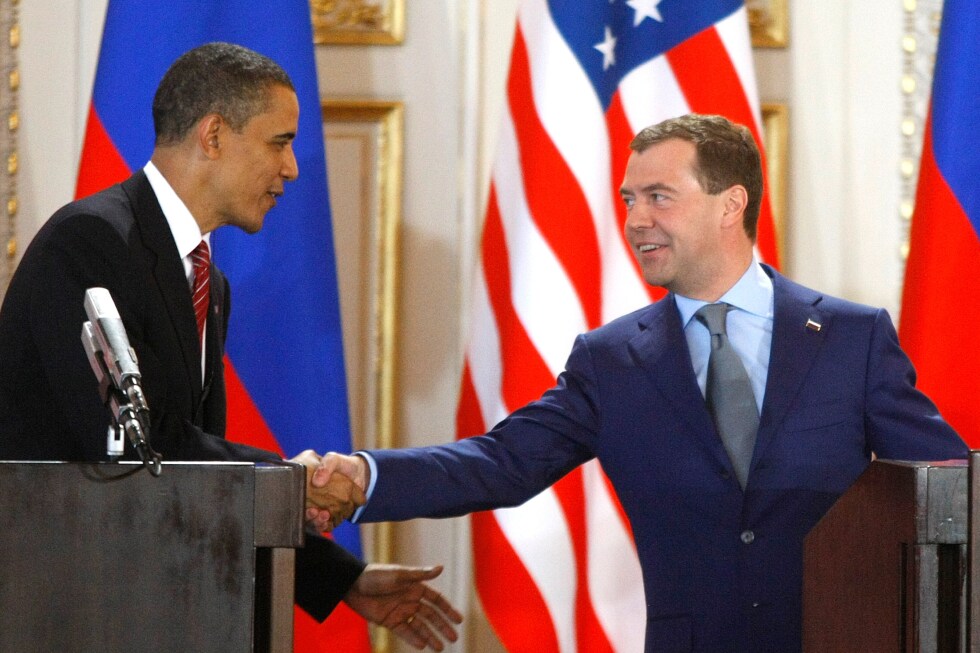
The New START Treaty, originally signed in 2010 by Presidents Obama and Medvedev, limited each side to 1,550 deployed warheads on 700 missiles and bombers. Although inspections ceased in 2020 due to COVID-19, Putin formally suspended Russia’s participation in February 2023, citing NATO’s opposition to Russian interests in Ukraine while maintaining commitment to the arsenal caps.
This situation occurs against a backdrop of deteriorating arms control agreements. The Intermediate-range Nuclear Forces Treaty terminated in 2019, while the Anti-Ballistic Missile Treaty was abandoned by the U.S. in 2001. Recent developments, including Trump’s proposed “Golden Dome” missile defense system and potential resumption of nuclear testing, have further complicated strategic stability. Kimball concluded that the world faces “a potential turning point into a much more dangerous period of global nuclear competition.”