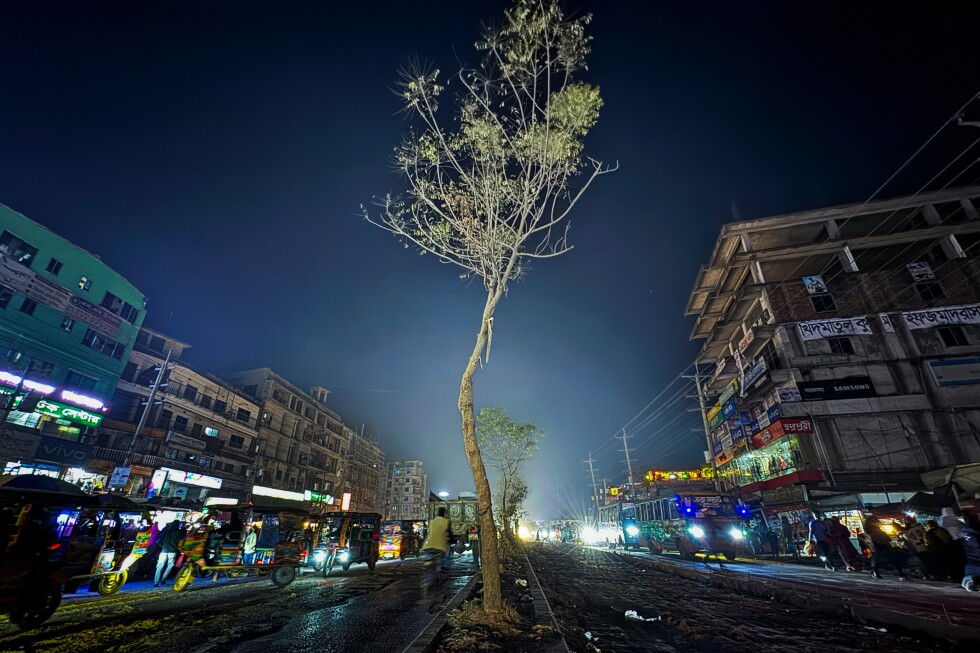
In Bangladesh, escalating violence against religious minorities has created an atmosphere of pervasive fear as the nation approaches critical elections. The brutal killing of 27-year-old Hindu garment worker Dipu Chandra Das in December exemplifies the crisis—accused by Muslim colleagues of blasphemy, he was beaten to death, hanged from a tree, and set ablaze by a violent mob.
This incident triggered widespread protests across Dhaka and other cities, with demonstrators demanding justice and enhanced protections. The interim government under Muhammad Yunus initiated an investigation resulting in approximately a dozen arrests. However, human rights organizations and Hindu leaders maintain this represents not an isolated event but a systematic pattern of violence fueled by rising polarization, resurgent Islamist influence, and a culture of impunity.
Statistical evidence reveals alarming trends: The Bangladesh Hindu Buddhist Christian Unity Council has documented over 2,000 communal violence incidents since the ousting of former Prime Minister Sheikh Hasina in August 2024. These include at least 61 killings, 28 gender-based violence cases including rapes, and 95 attacks on places of worship involving vandalism, looting, and arson.
The political landscape has significantly contributed to the crisis. With Hasina’s Awami League barred from elections and her exile in India, Hindus—historically perceived as aligned with her party—face increased vulnerability. The reemergence of Jamaat-e-Islami, Bangladesh’s largest Islamist party, alongside its student wing National Citizen Party, has further intensified tensions. Although these groups have attempted image rehabilitation through symbolic gestures like nominating Hindu candidates, analysts consider these moves largely superficial.
The violence has transcended national borders, inflaming diplomatic tensions with India. New Delhi has accused Bangladesh of minimizing what it terms ‘disturbing patterns of recurring attacks,’ while Dhaka characterizes Indian criticism as systematic anti-Bangladesh sentiment. The dispute has expanded to include visa service suspensions and even affected sporting events, including cricket tournaments.
For affected families like Das’s relatives in Mymensingh district, the trauma remains profound. As his mother Shefali Rani Das demands justice for her son’s horrific killing, the broader Hindu community confronts what human rights activist Ranjan Karmaker describes as ‘an existential crisis’ with many fearing the upcoming elections may unleash even greater violence.