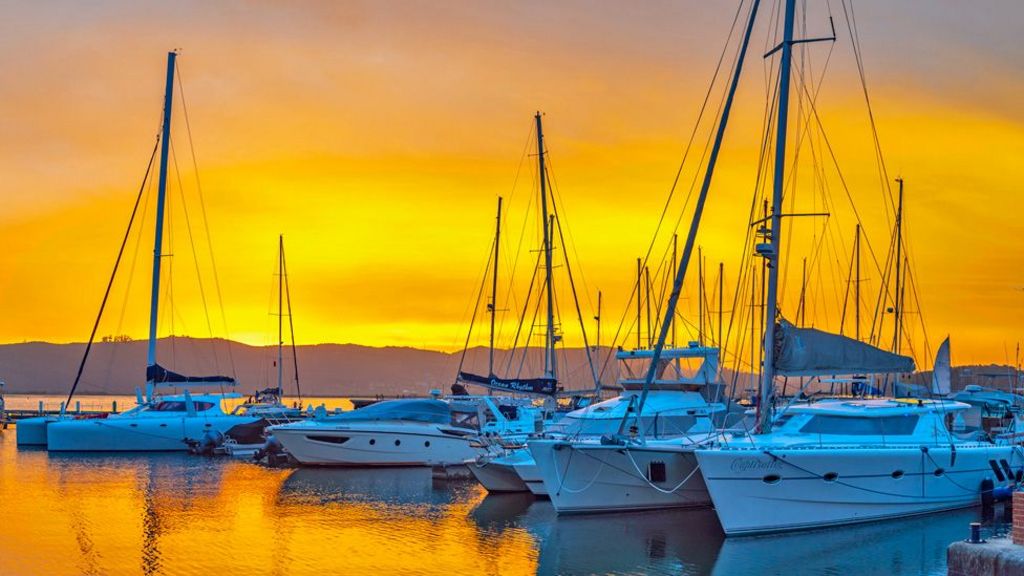
The picturesque South African coastal town of Knysna, renowned for its azure waters and pristine beaches along the Garden Route, has declared a state of disaster as it confronts an impending water catastrophe. With approximately 55% of potable water vanishing through dilapidated pipelines, this tourist haven now grapples with the terrifying prospect of taps running completely dry—a scenario dubbed “day zero.”
Beneath Knysna’s idyllic surface lies a crumbling water infrastructure exacerbated by persistent drought conditions. The Akkerkloof dam, the town’s primary reservoir, currently holds merely 20 days worth of reserves. This crisis has forced severe water rationing measures, limiting consumption to 50 liters per person daily—drastically lower than the 142 liters typically used by individuals in the United Kingdom.
The water emergency has already manifested at local facilities. A retirement center endured a ten-day complete water outage last October, prompting owner Franco de Grandis to invest R250,000 ($15,700) in emergency infrastructure including storage tanks and pressure pumps. “Without water, we cannot function,” de Grandis emphasized, highlighting the critical nature of the situation.
Non-governmental organizations have mobilized relief efforts. Gift of the Givers coordinates daily water deliveries via tankers from privately dug boreholes. Local coordinator Mario Ferreira noted concerning normalization of the crisis: “The disturbing thing is people start thinking this is the way of life and it shouldn’t be.”
Newly inaugurated Mayor Thando Matika acknowledges inheriting decades of infrastructure neglect, with previous administrations citing financial constraints even for basic maintenance. The national government has allocated $1.25 million in emergency funding for immediate interventions including repairing seven existing boreholes, constructing an additional borehole, and revitalizing the desalination plant. Long-term strategies involve water recycling initiatives and potential dam construction.
The tourism sector remains apprehensive about the “day zero” terminology. Elmay Bouwer of the Great Knysna Business Council cautions against alarmism while advocating for conservation education: “We should instead tell people how to preserve the water we have.”
Experts warn that Knysna’s predicament reflects a national crisis. Dr. Ferial Adam of Watercan notes that millions of South Africans already experience perpetual “day zero” conditions without household running water. This reality is starkly evident in Khayalethu township, where 60-year-old Khanyiswa Sewula routinely carries buckets to municipal water distribution points.
The convergence of climate change, infrastructure decay, and access inequality creates a precarious situation that demands urgent, comprehensive solutions beyond temporary measures.