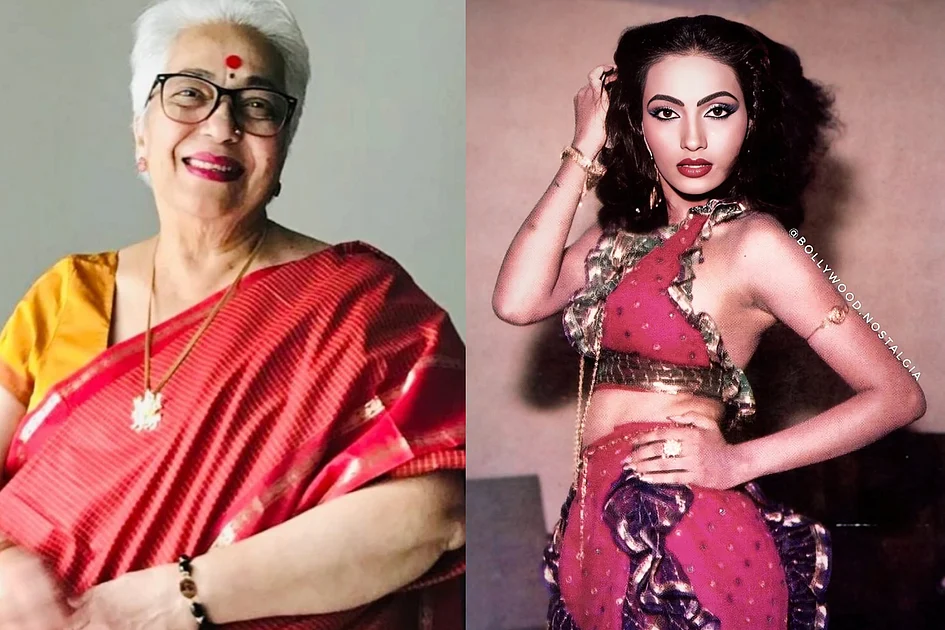
Dubai-based veteran actress and dancer Kalpana Iyer is experiencing an extraordinary digital renaissance as her iconic 1980s track ‘Ramba Ho’ experiences massive viral resurgence across social media platforms. The unexpected revival began when the song featured prominently in the Netflix film ‘Dhurandhar,’ triggering a chain reaction of online recognition that culminated in Iyer’s own impromptu wedding dance performance going viral globally.
In an exclusive interview, the 70-year-old screen legend revealed the completely spontaneous nature of the now-famous clip. Recorded during a friend’s son’s wedding celebration in Siliguri, the video captures Iyer instinctively moving to the familiar rhythms of her hit song while wearing traditional saree attire, without any prior choreography or rehearsal. ‘I simply surrendered to the musical moment and allowed my body to respond naturally,’ Iyer explained, noting she initially shared the video casually before it rapidly spread across digital platforms within hours.
The actress described experiencing emotional responses as friends and former colleagues began sending her notifications about the song’s trending status following its cinematic placement. Despite the widespread attention, Iyer confesses she hasn’t yet viewed the Netflix production that sparked her renewed fame.
This digital phenomenon has ignited conversations about potential professional comebacks for the actress, who stepped away from Bollywood in 1999 before relocating to Dubai. Iyer expressed nostalgic sentiments about film production environments, specifically mentioning missing ‘the distinctive atmosphere of studio sets and the creative community of the industry.’
Throughout the 1980s and 1990s, Iyer established herself as a prominent screen presence with performances in numerous successful productions including ‘Satte Pe Satta,’ ‘Hum Paanch,’ ‘Laadla,’ ‘Anjaam,’ and the ensemble family drama ‘Hum Saath Saath Hain.’ Her current viral moment demonstrates the powerful intersection between digital culture, nostalgia, and the enduring appeal of cinematic history.